
 Welcome to EnviroDIY, a community for do-it-yourself environmental science and monitoring. EnviroDIY is part of WikiWatershed, an initiative of Stroud Water Research Center designed to help people advance knowledge and stewardship of fresh water.
 New to EnviroDIY? Start here
News
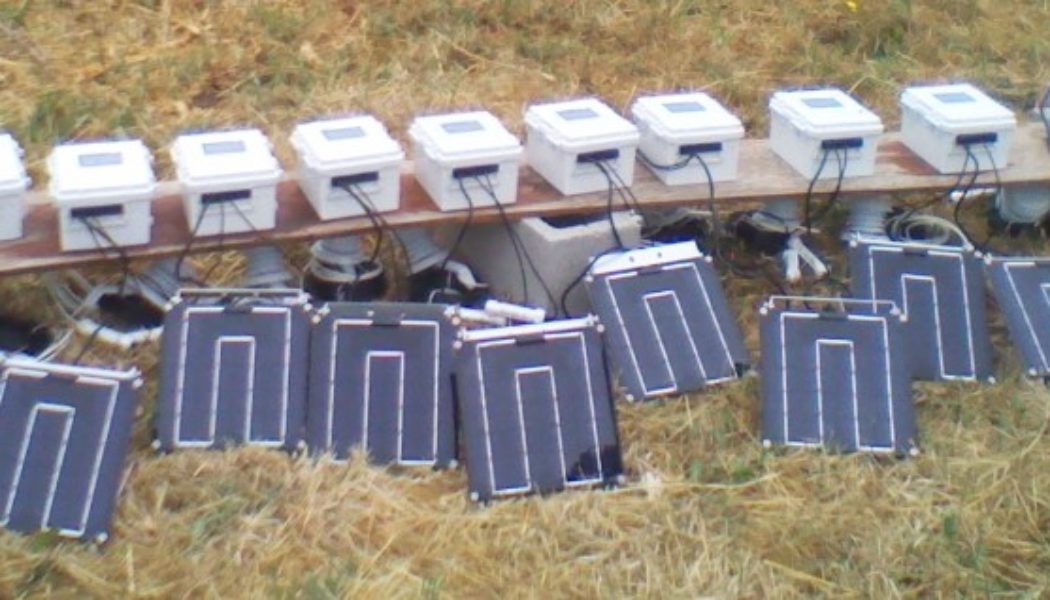

Geographical Scaling Modular Sensors
Modular Sensors library of sensors interfaces is fantastic. Sara’s classes form a backbone of data flowing from the sensors to the cloud(s), all running on the low cost, solar powered Mayfly. Thanks Shannon and Sara and many others who help teach about Modular Sensors. I was able to extend the Keller Acculevel Class to a Keller Nanolevel device easily, and I’m working on the Insitu SDI-12 interfac...[Read More]


Streamlining EnviroDIY
On February 3, 2020, we will be turning off two community features on EnviroDIY: status updates and interest groups. We are doing this mainly to streamline the user experience.
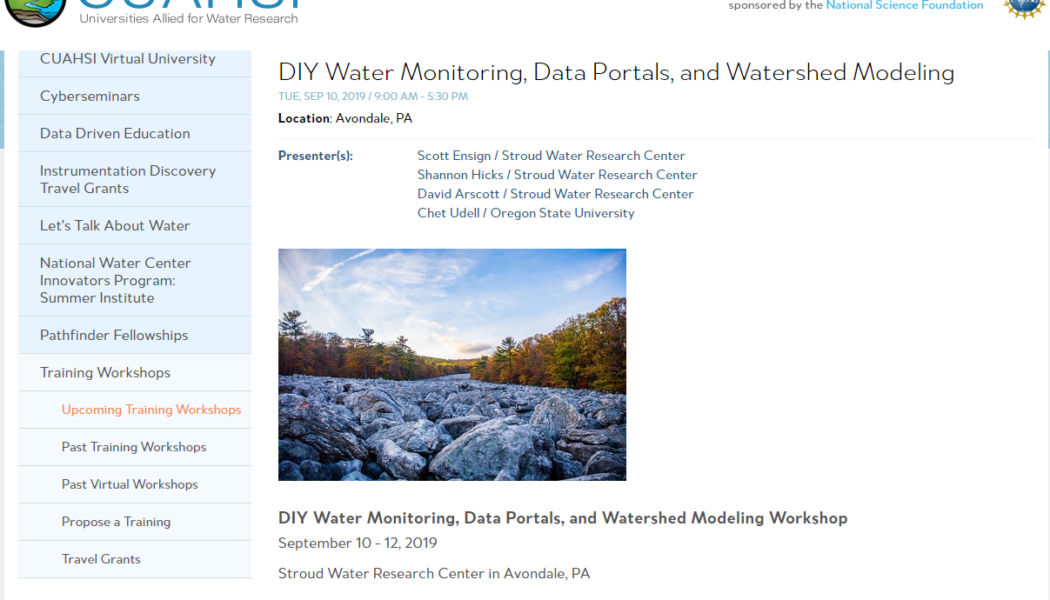

Grow Your DIY Skills
Stroud Water Research Center, in conjunction with the OPEnS Lab at Oregon State University, is excited to host a DIY workshop this September.
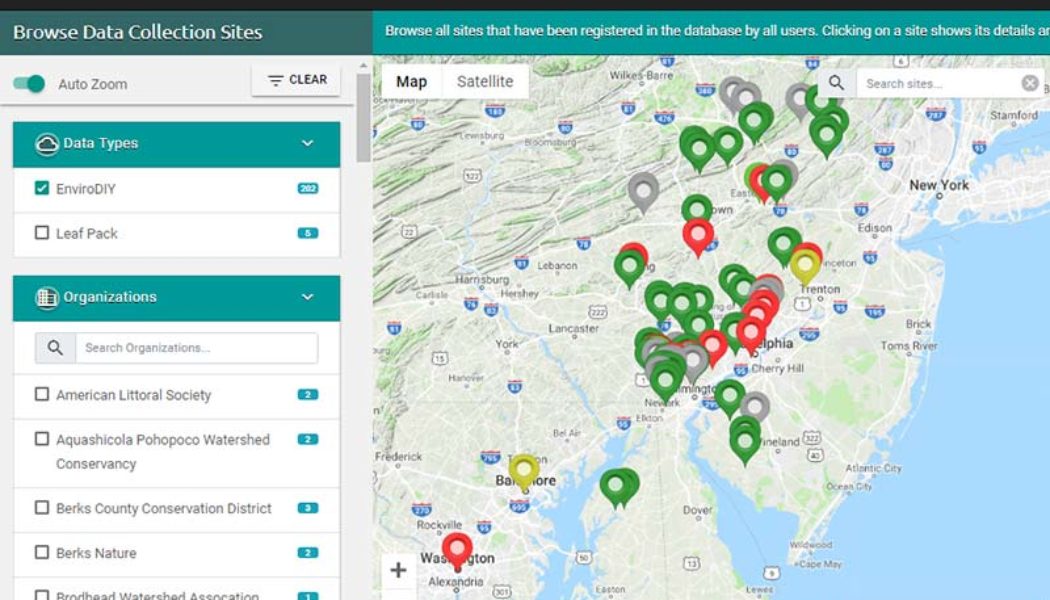

Making Big Leaps in DIY Watershed Monitoring
Real-time monitoring and Web-based tools help to strengthen the measure-validate-disseminate links in the Internet of Water chain.
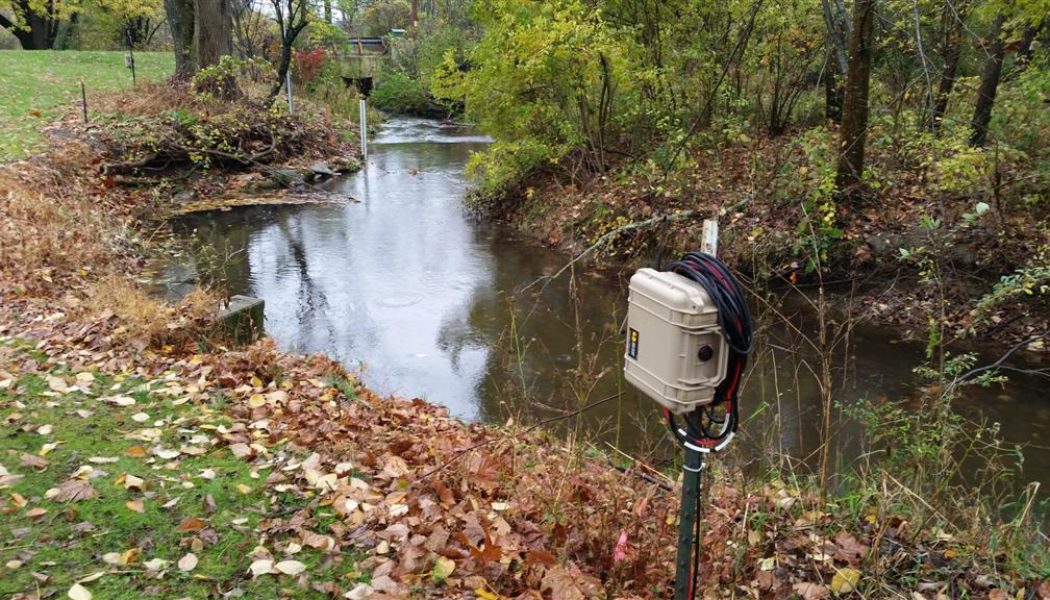

Build Your Own EnviroDIY Monitoring Station
Stroud Water Research Center recently unveiled a comprehensive manual for building, programming, deploying, and maintaining an EnviroDIY Monitoring Station.
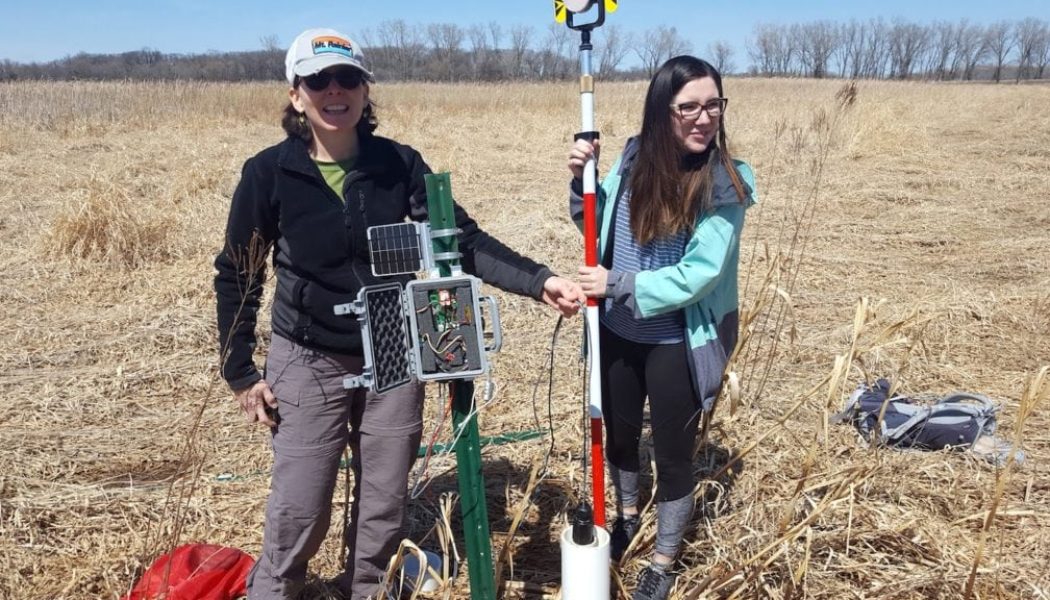

The Internet of Things Meets the Internet of Water
ConnectorSupplier.com learned the history of the Mayfly Data Logger and its potential to transform water quality monitoring from EnviroDIY co-founders Anthony Aufdenkampe and Shannon Hicks and EnviroDIY collaborator, Beth Fisher.
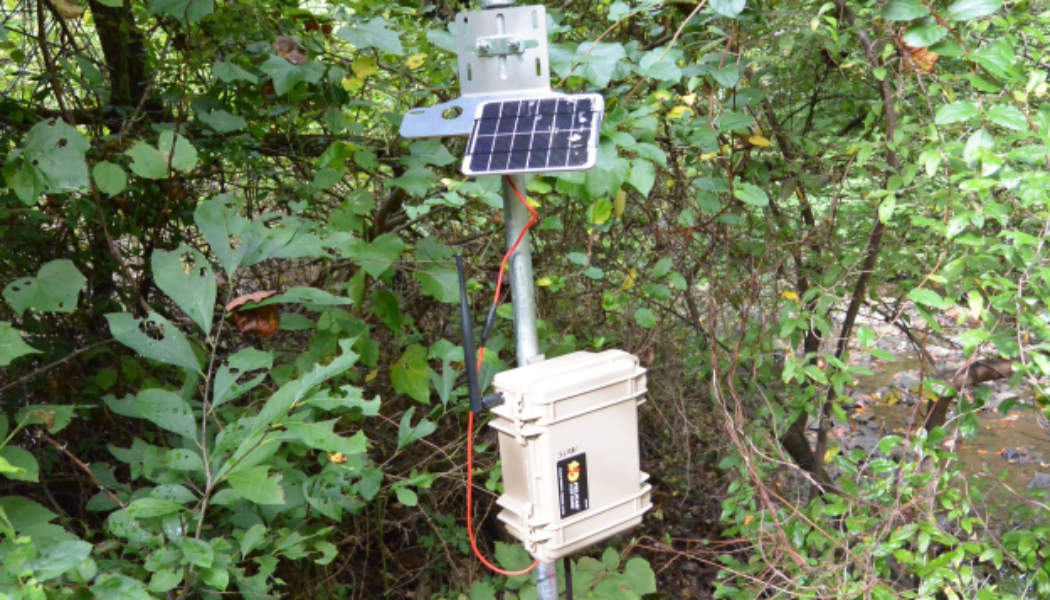

Computer Science Students Collect Real-Time Data With Mayfly Data Logger
"This is experiential learning at its best: getting kids in the stream, getting them interacting in their environment." Students at Milton Hershey School in Pennsylvania are deploying water-quality-monitoring sensor stations in a creek that runs through their campus.
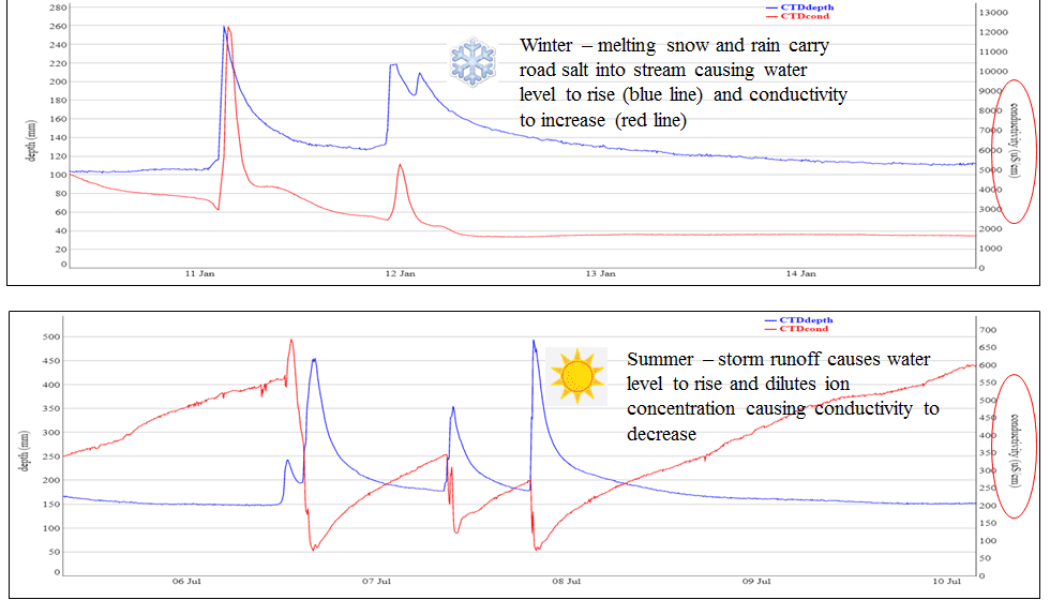

EnviroDIY Sensors Track Road Salt Levels in Streams
During 2017, Stroud Water Research Center provided over 30 EnviroDIY sensor stations to watershed groups working in the Delaware River Basin to support monitoring, education, and outreach.


Webinar: Do-It-Yourself, Real-Time, Low-Cost Environmental Monitoring Solutions
Introducing resources and tools you can use to build data loggers that can form the core of your DIY freshwater or terrestrial monitoring system.
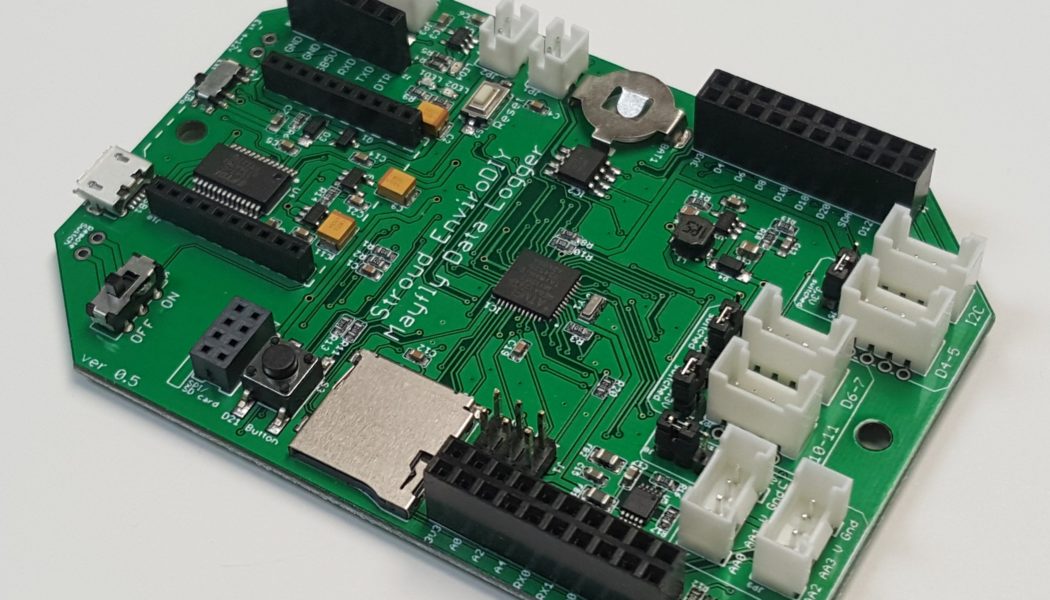

Features of the new Mayfly v0.5
A few weeks ago we released the latest hardware version of the Mayfly board, version v0.5. Here are the all of the new features that were added to the board for this release: The board now accepts an external voltage of 4 to 12 volts. The previous board versions couldn’t accept anything higher than 6v on the external power input without causing some overheating on a regulator and some powe...[Read More]

EnviroDIY Featured on EEWeb
EnviroDIY.org was featured as EEWeb’s Engineering Website of the Day on April 5, 2017. EEWeb is an electrical engineering community website that offers product news and highlights, articles, projects, an electronics forum, and much more. Check them out at EEWeb.com.
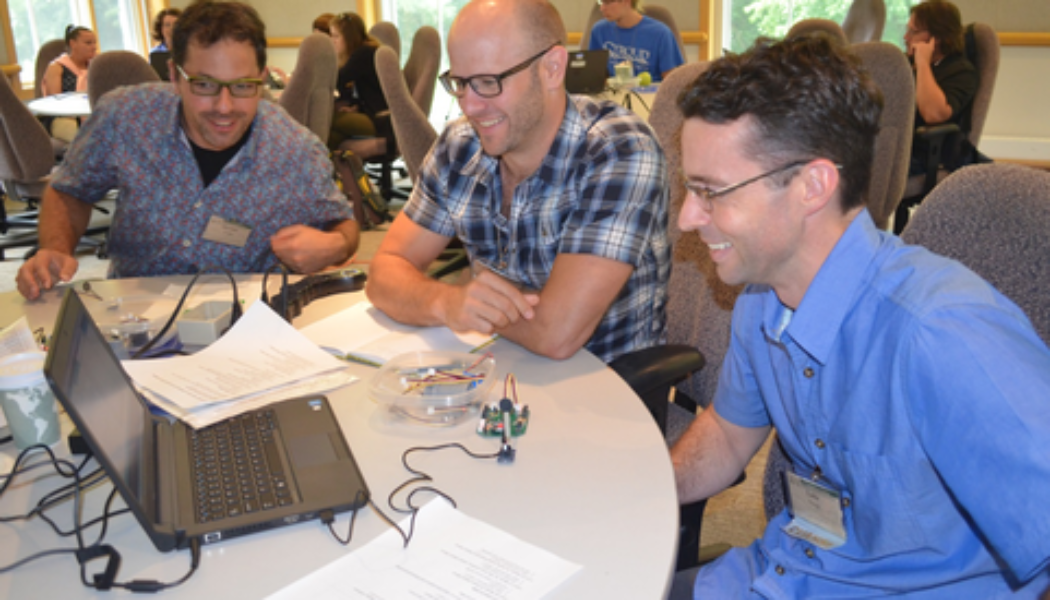

EnviroDIY Funded! Workshop Plans for 2017
Expanding EnviroDIY training with grants from William Penn Foundation and Environmental Protection Agency
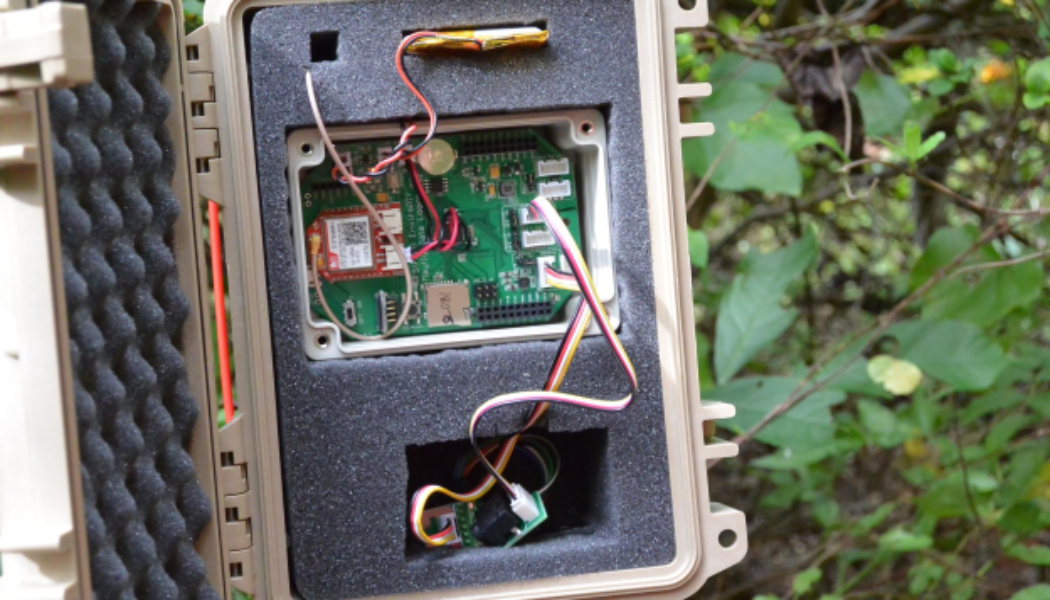

EnviroDIY Mayfly logger stations deployed in PA, DE and MN!
Stroud Water Research Center staff have deployed dozens of sensor stations based on our EnviroDIY Mayfly Data Logger.
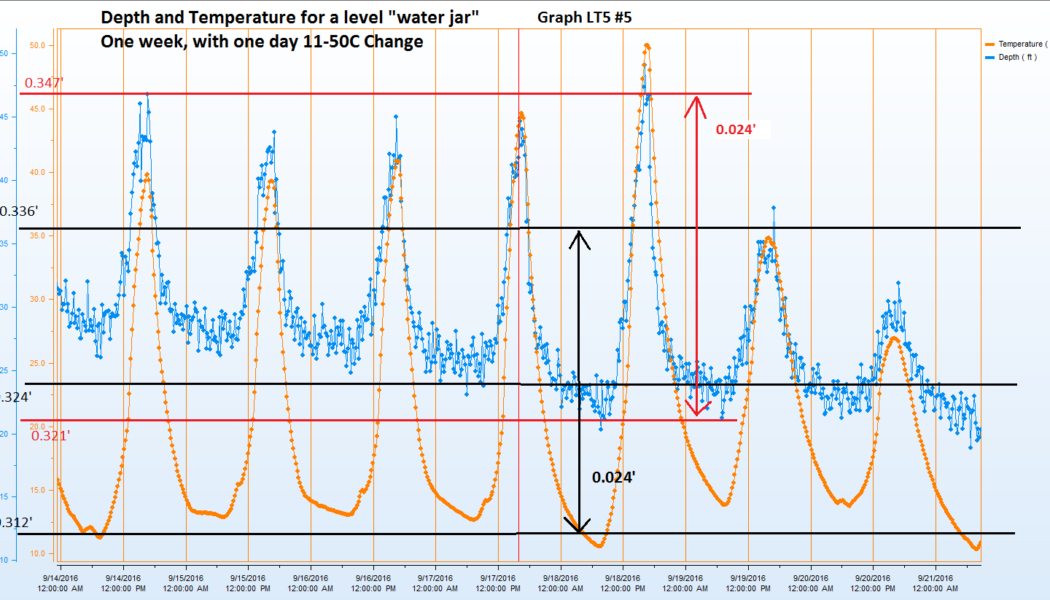

Comparison temperature dependency: LT500, Keller Nano Level
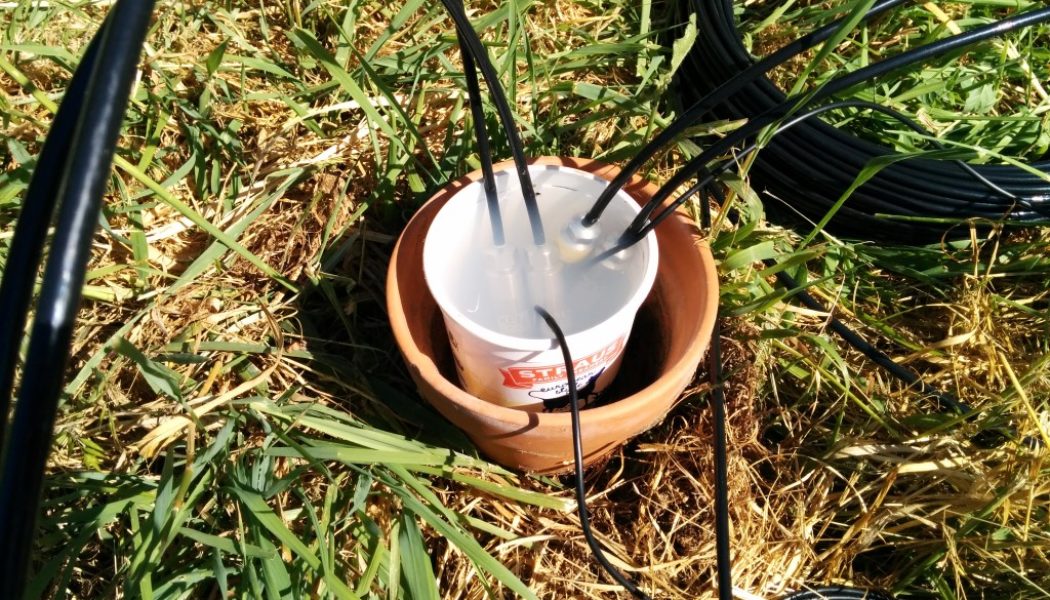
Testing equipment to measure water depth accurately in low flow applications in surface water streams.

Measuring low water in streams accurately
To recap from a previous blog, a project looking at effects of drought conditions is monitoring the low water depths in-stream, with transducers that have a capability of reliably measuring changes of ±0.01’(feet) in low water conditions, connected via an open interface 4-20mA to an Onset U30 cellular wireless logger. For reliability, it was decided to use two water transducers per logger. Over ...[Read More]

Mayfly version 0.3 bugs
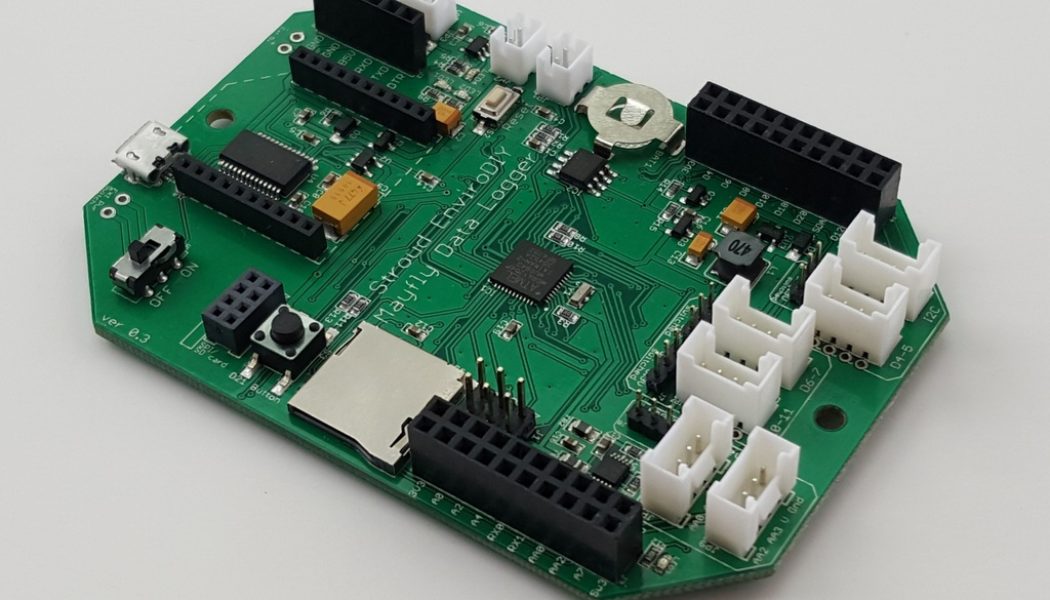
A few weeks ago we found that some of the version 0.3 Mayfly boards were assembled by the manufacturer with an incorrect voltage regulator on the section of the board that generates the switched 5-volt boosted supply. This error does not affect any other functionality or features on the Mayfly. The only issue is that you will see 3.3 volts on the “Sw_5v” pin instead of 5 volts. We hav...[Read More]

Mayfly Board Hits the Adafruit Blog
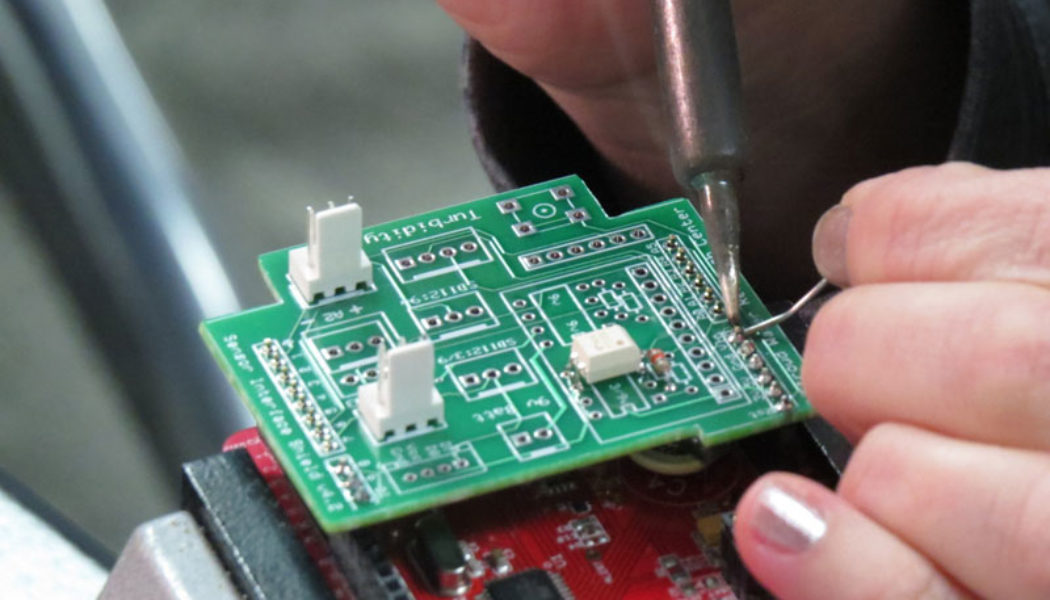
Thanks to Adafruit blogger and EnviroDIY member, Leslie Birch, for sharing information about the new Mayfly Data Logger Board.

Mayfly boards now available on Amazon
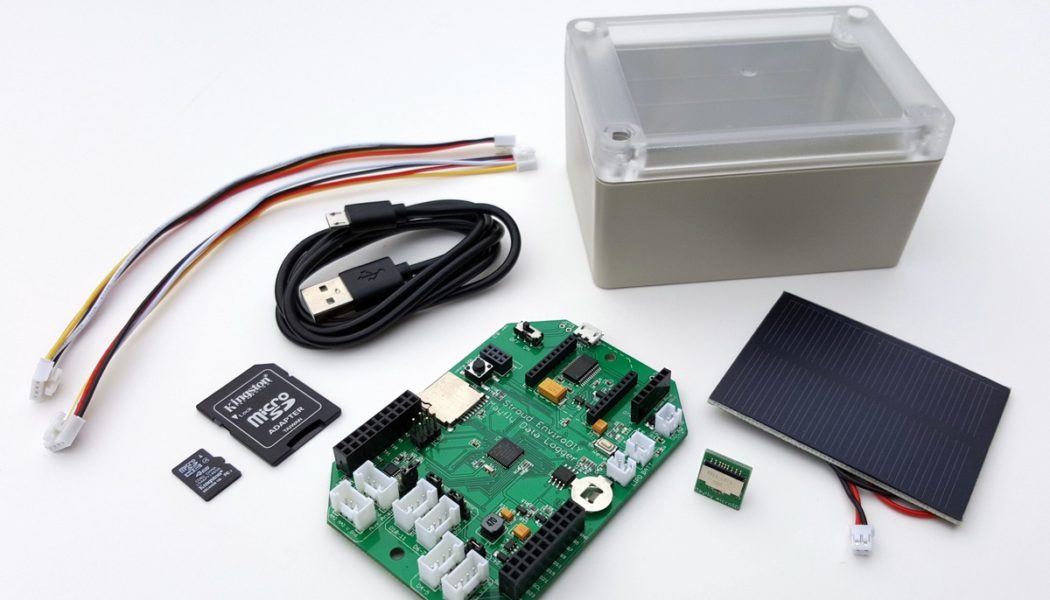
We are excited to announce that our Mayfly Data Logger boards are now available for purchase on Amazon!