
 Welcome to EnviroDIY, a community for do-it-yourself environmental science and monitoring. EnviroDIY is part of WikiWatershed, an initiative of Stroud Water Research Center designed to help people advance knowledge and stewardship of fresh water.
 New to EnviroDIY? Start here
monitoring
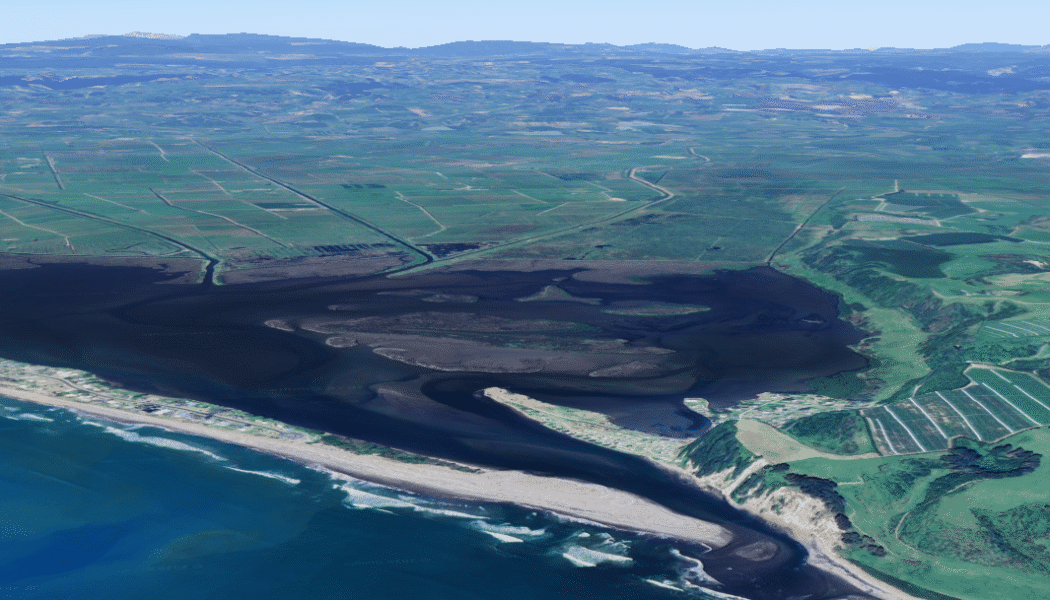

New Zealand Scientists Test Pollutant Monitoring Using EnviroDIY Hardware
Researchers in New Zealand discovered that high-frequency monitoring of rivers yielded a more accurate accounting of nitrogen, phosphorus, and sediment loads than monthly grab samples allowed for. While high-frequency monitoring was more expensive, “the added investment is minor when weighed against the risks of poorly informed land management actions or generic policies based on limited con...[Read More]
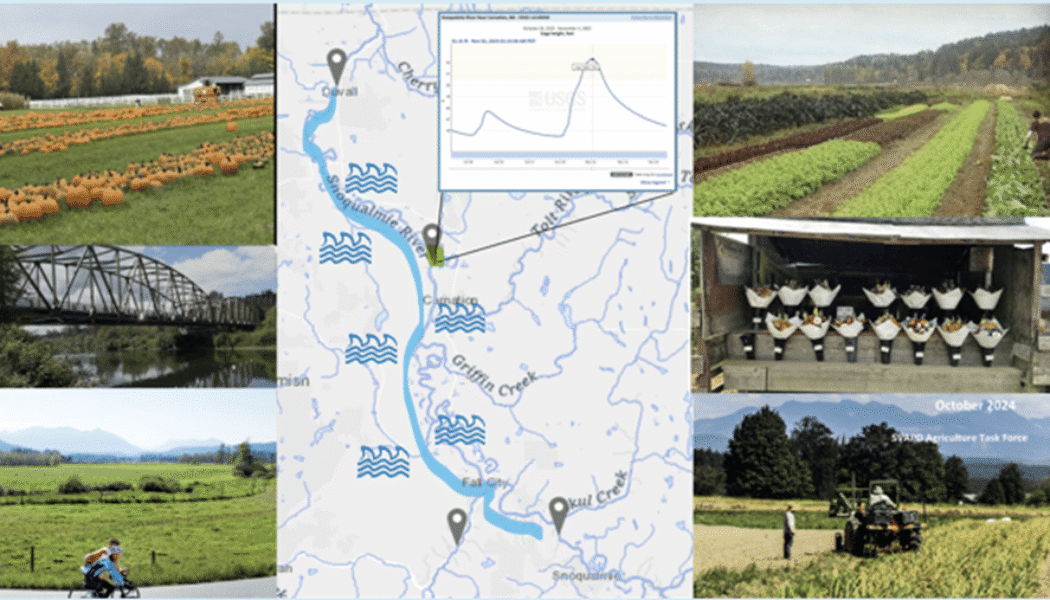

Floodzilla Gauge Network: Community-Designed Flood Monitoring
Flooding is a part of life in the lower Snoqualmie Valley in Washington. The Floodzilla Gauge Network helps residents, land managers, and farmers prepare.
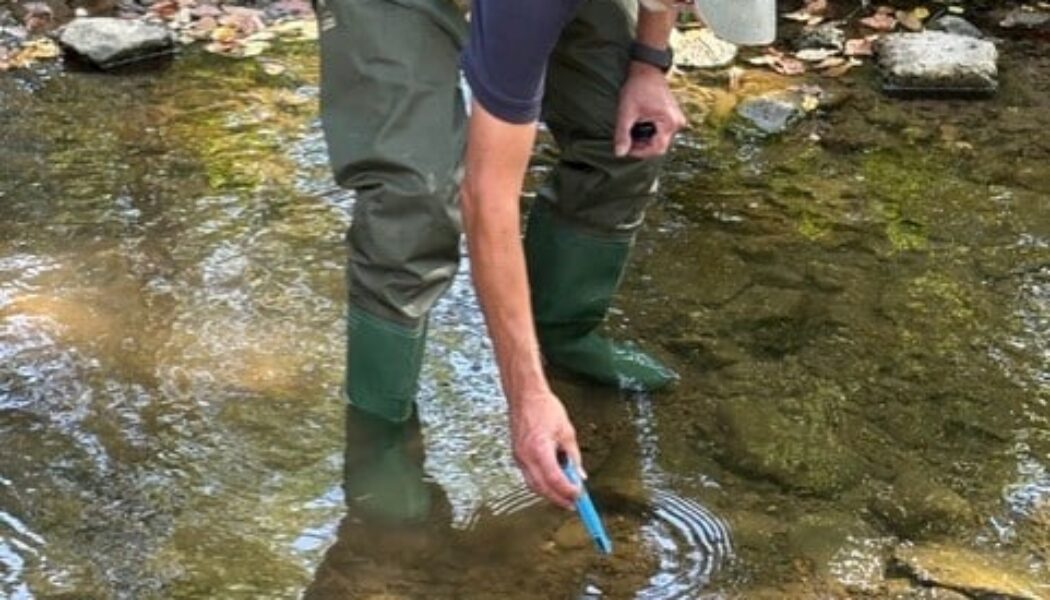

Stream Sleuths
David George, a volunteer for the Angelica Creek Watershed Association, was alerted by a Mayfly Data Logger that something unnerving was happening in the creek.
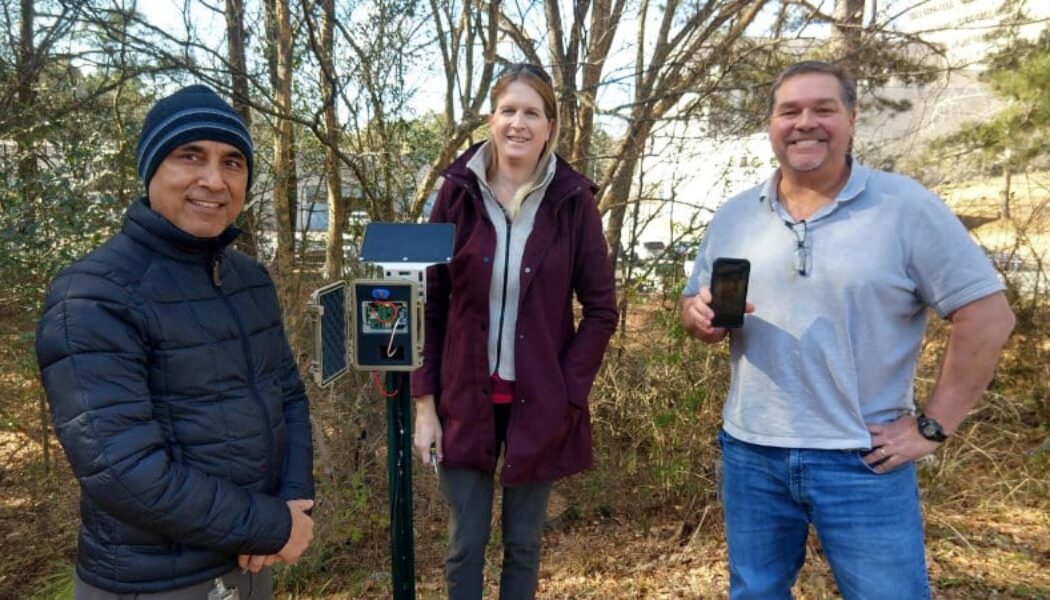

EPA Publishes EnviroDIY-Based Monitoring Results
The U.S. Environmental Protection Agency has come full circle with EnviroDIY and the Mayfly Data Logger.

Monitor My Watershed: New Release!
This new version enhances performance, addresses important bugs, and improves scalability and reliability.
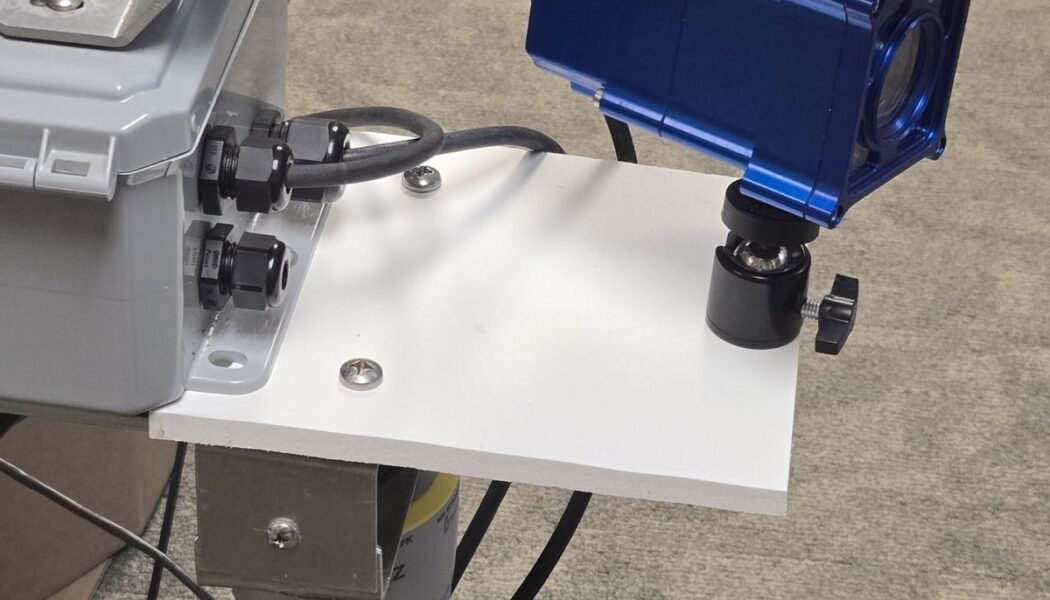

A River Flood Monitoring System for Rapid Deployment
Filling river monitoring gaps requires systems with low size, weight, power consumption, and cost. Stroud Water Research Center’s ORCA fits the bill.
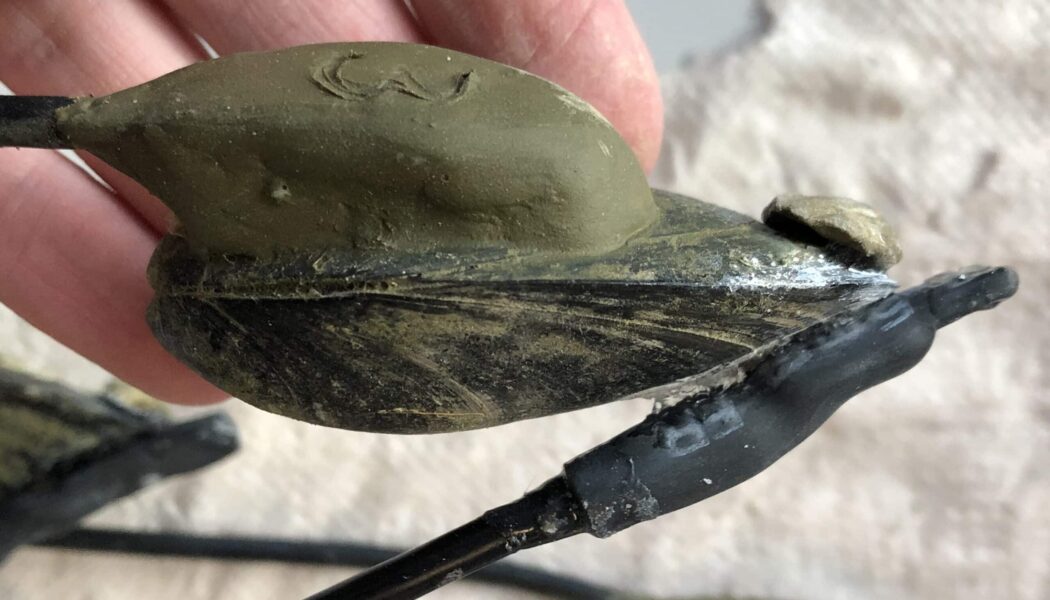

Real-Time Monitoring of Pollution Biosentinels
New technology measures water pollution severity by relating how long shellfish keep their shells closed relative to tidal patterns in salinity and oxygen.

Reliable, Low-Cost Methods for Sensor Deployment in Estuaries
Stroud Water Research Center investigated tidal dynamics and associated sediment movement in two Maryland rivers using EnviroDIY Monitoring Stations.


Learn EnviroDIY With Us!
Stroud Water Research Center is offering a two-day, in-person workshop to introduce EnviroDIY technologies, including the Mayfly Data Logger.
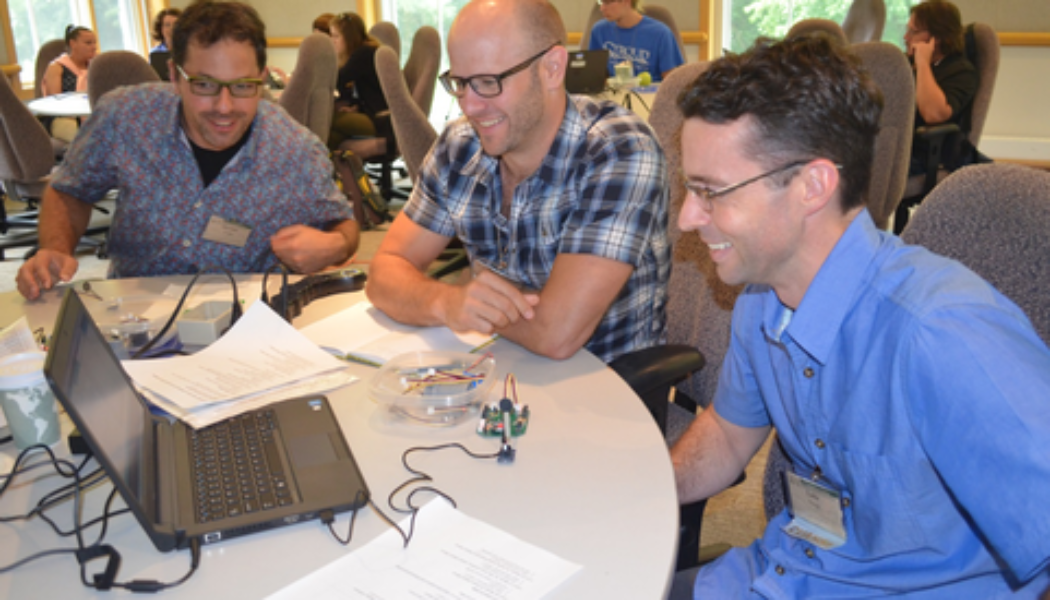

Learn Do-It-Yourself Electronics for Environmental Monitoring
This workshop will help you learn the skills necessary to assemble, program, and deploy a water monitoring station, but with the understanding that the DIY journey has just begun!
New in Monitor My Watershed: Organization Site Ownership
This is just one of many improvements planned for Monitor My Watershed, including significant performance improvements and new batch upload capabilities.
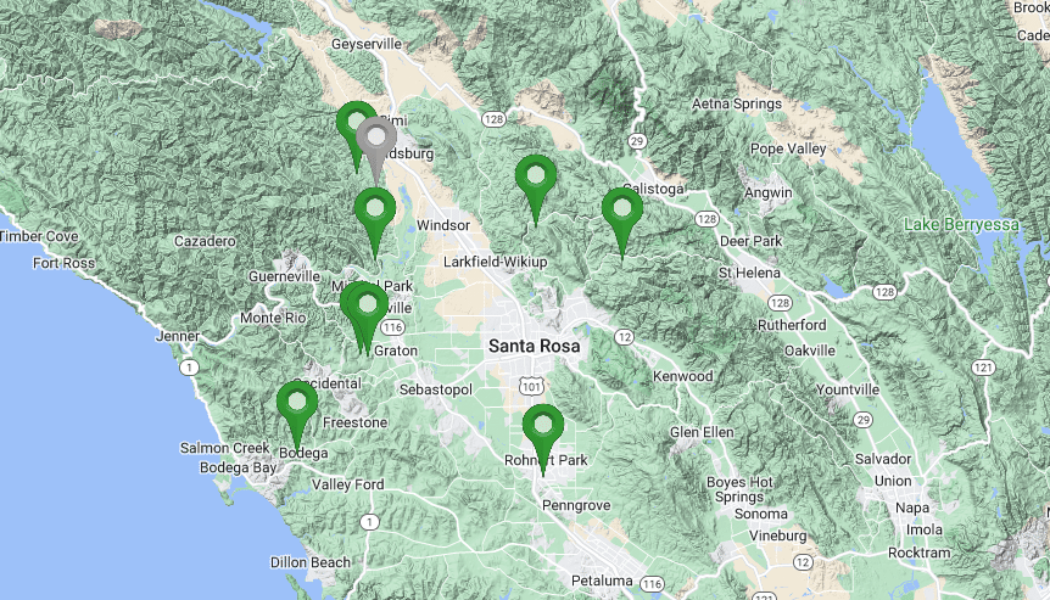

Mayflies in Coastal Redwoods – Northern California
I’ve completed a deployment of remote telemetry monitoring of depth gauges with the purpose of visualizing depth readings for Trout Unlimited California.

How a Nascent Internet of Water Gave Rise to the State-of-the-Science in Sensor Data Sharing
Data producers willing to share their data are the foundation of the Internet of Water, but first and foremost, that data must serve the needs of the data producer.
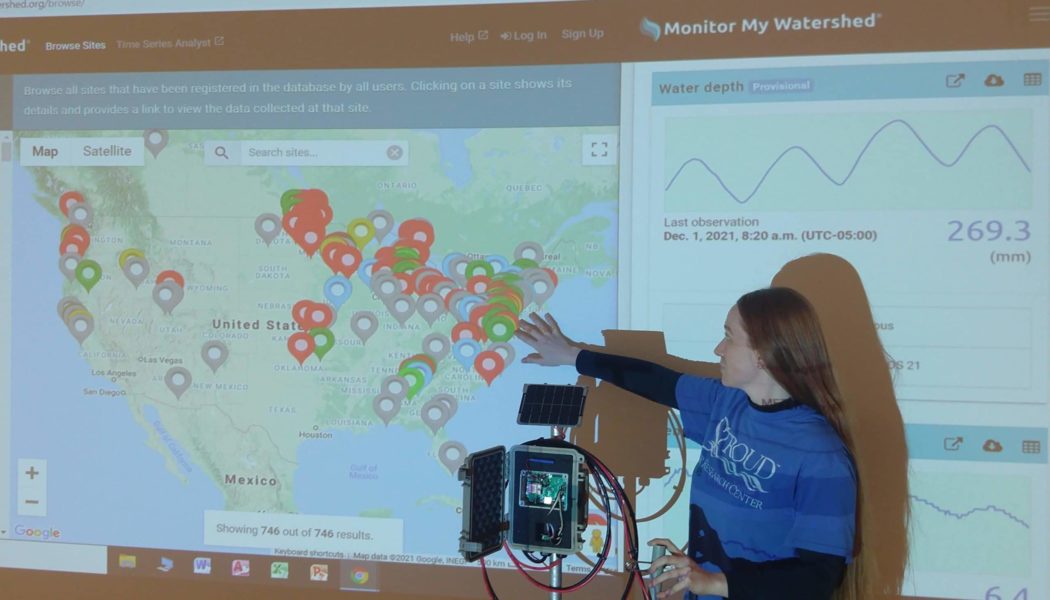

Monitor My Watershed Hits the Cloud!
Users will notice increased responsiveness, speed, and reliability, along with a new and improved Time Series Visualization.
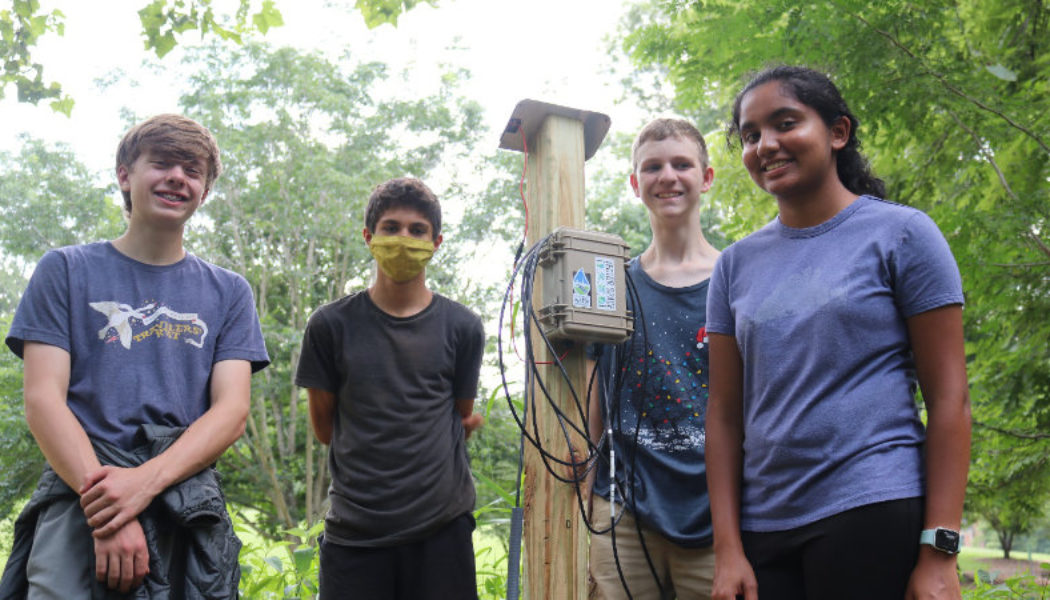

EnviroDIY Summer Camp Helps Students Build Skills and Monitoring Stations
Over the summer, all the stars lined up to make one perfect program: an EnviroDIY camp for high school students in Lynchburg, Virginia.
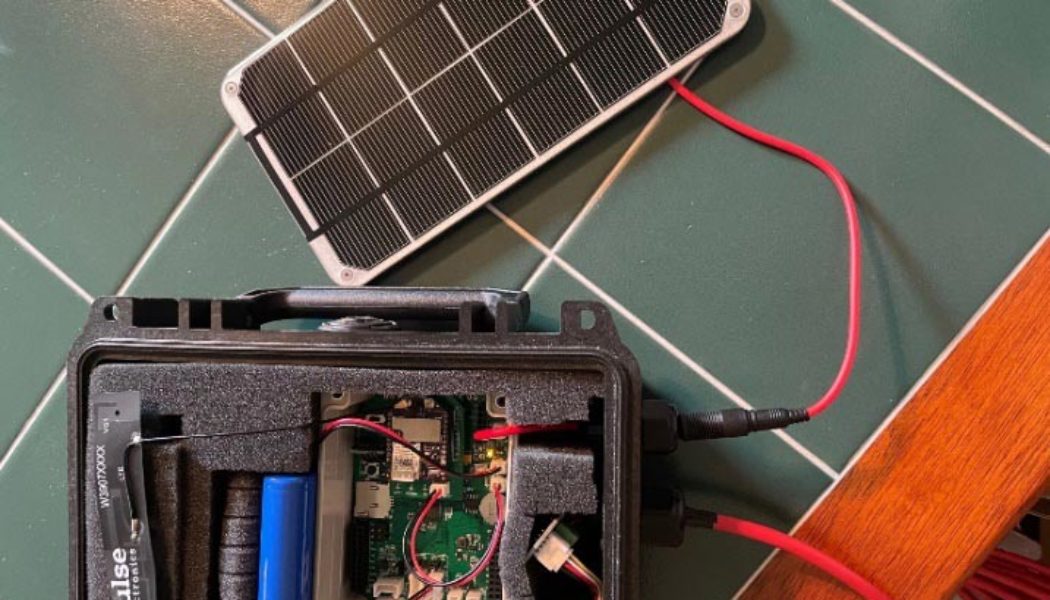

My Experience Building an EnviroDIY Monitoring Station
Computer program downloading and circuit board wiring were not my forte, so the first thing I did was enlist the help of the most tech-savvy people I know.
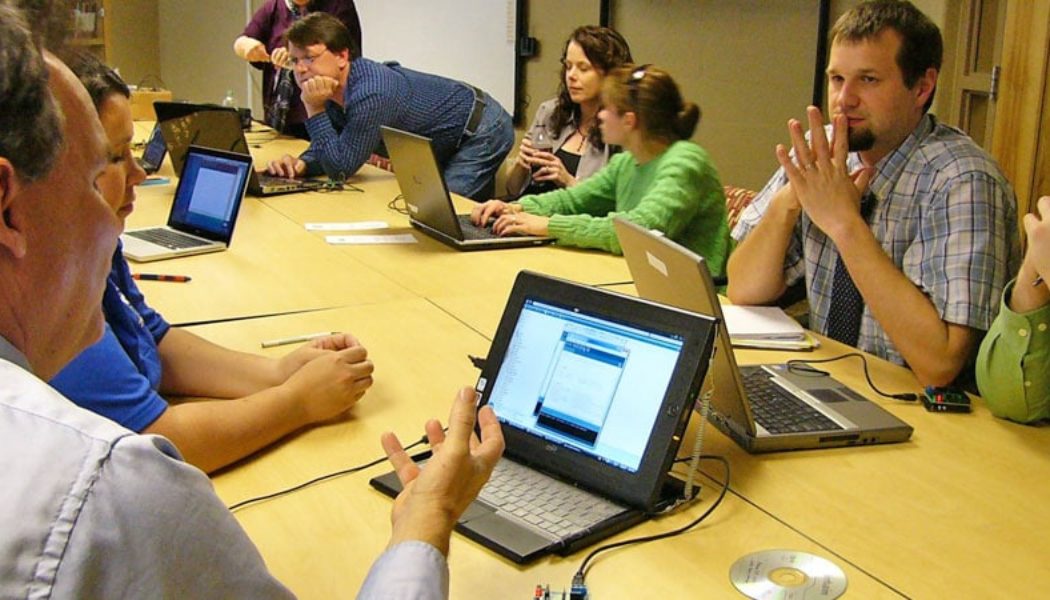

The Wide, Wide World of DIY (and DIT)
DIY is in many cases a misnomer; in reality, we Do-It-Together: bringing people together to develop and share environmental monitoring and measurement systems.


To Fish or Not to Fish: Using Real-Time Data to Protect Trout Populations
Fishing guides in Michigan are using real-time data from an EnviroDIY monitoring station to remotely make appropriate decisions on where and when to fish.
- 1
- 2