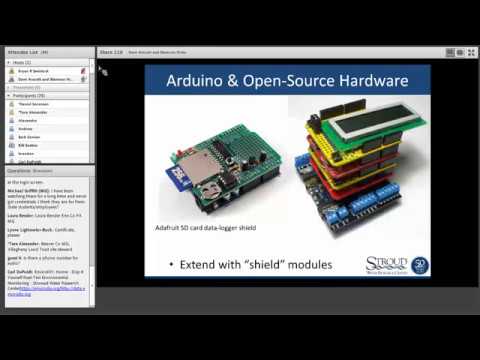
 Welcome to EnviroDIY, a community for do-it-yourself environmental science and monitoring. EnviroDIY is part of
 The EnviroDIY Mayfly Monitoring Station is one of many possible designs for environmental science and monitoring using the Mayfly Data Logger, a low-cost, open-source hardware solution for connecting with environmental sensors, recording measurements, and relaying data to the internet.
Stroud Water Research Center periodically offers in-person workshops to train participants on how to program and build EnviroDIY Mayfly Monitoring Stations. In response to the challenges posed by Covid-19, we offered our first online workshop in May 2020. View the recordings and supplemental resources for step-by-step instructions on programming the Mayfly Data Logger for an EnviroDIY Mayfly Monitoring Station.
Virtual Workshop Day 1
Watch the full video below or skip to a chapter (links will open in a new tab):
0:00:00 Welcome and overview
0:18:00 Introduction to Arduino IDE
0:45:10 Installing Arduino libraries
1:18:00 Introduction to Monitor My Watershed
2:11:25 Registering a SIM card
2:23:25 Anatomy of Mayfly Worksheet
2:54:00 Connecting Mayfly Data Logger
Caution! These instructions were published in 2020, and hardware and software have changed since then. For complete, up-to-date written instructions on programming, building, installing, and managing an EnviroDIY Mayfly Monitoring Station, see the manual.
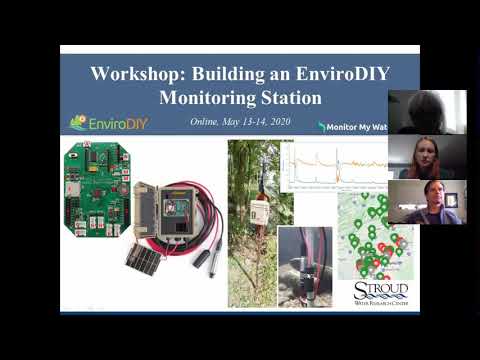
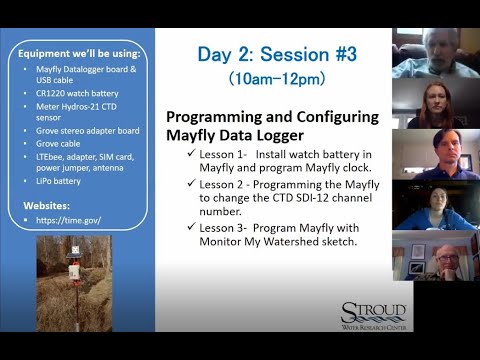
Virtual Workshop Day 2
Watch the full video below or skip to a chapter (links will open in a new tab):
0:00:00 Programming the clock
1:01:00 Changing the CTD sensor channel
1:49:20 Interfacing with Monitor My Watershed
2:35:10 Final steps
Caution! These instructions were published in 2020, and hardware and software have changed since then. For complete, up-to-date written instructions on programming, building, installing, and managing an EnviroDIY Mayfly Monitoring Station, see the manual.
Step 1: Choose Location, Initial Steps for Deployment
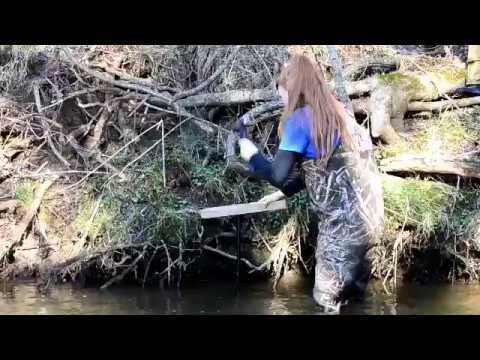
Step 2: Prepare Logger Box for Installation on Land
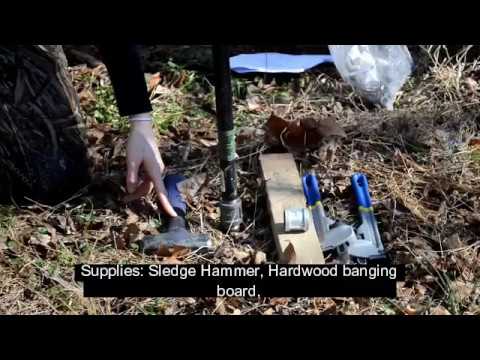
Step 3: Assemble Logger Box and Attach to Pole
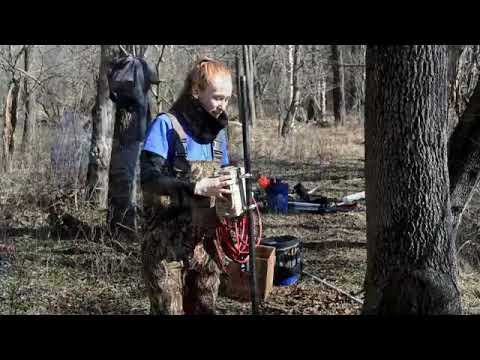
Step 4: Attach Sensor Bundle, Run and Secure Wires
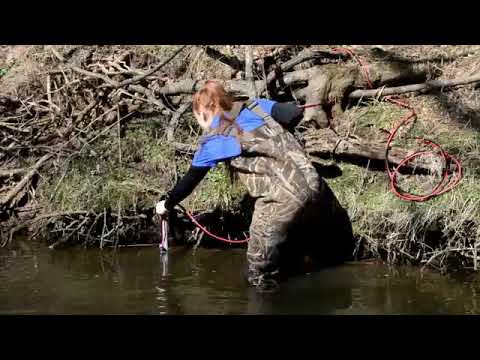
Step 5: Attach Solar Panel and Make Final Adjustments
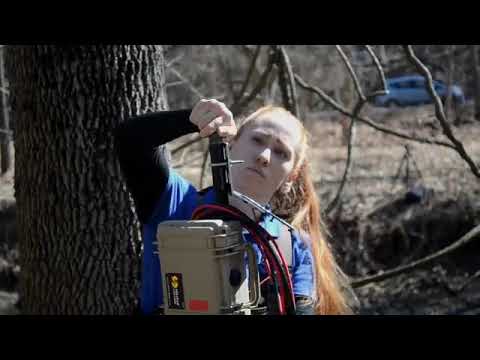
EnviroDIY Mayfly Monitoring Station Installation, Valley Forge Chapter of Trout Unlimited
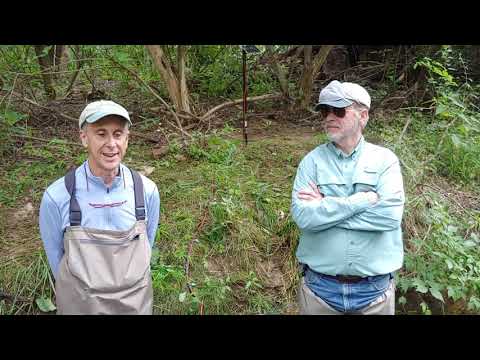
For complete instructions, see the EnviroDIY Mayfly Monitoring Station Manual Appendices.
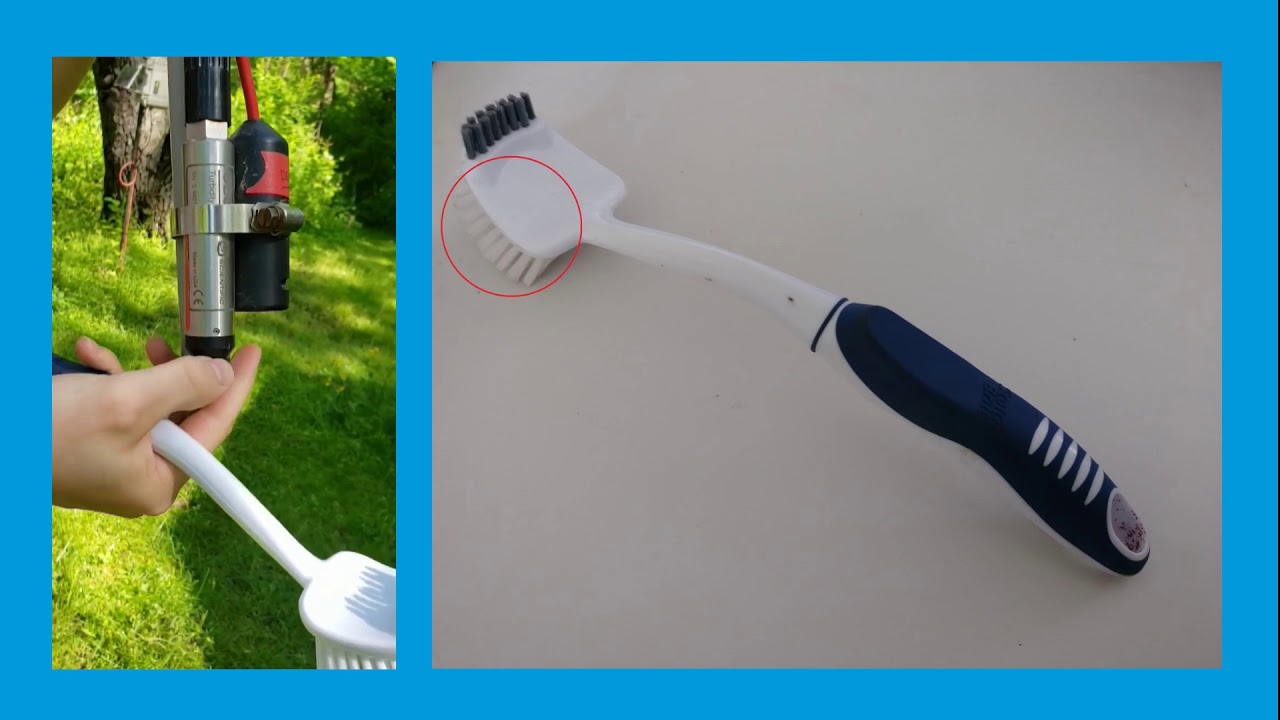
Sensor Maintenance: Sensor Cleaning and Bundle Removal
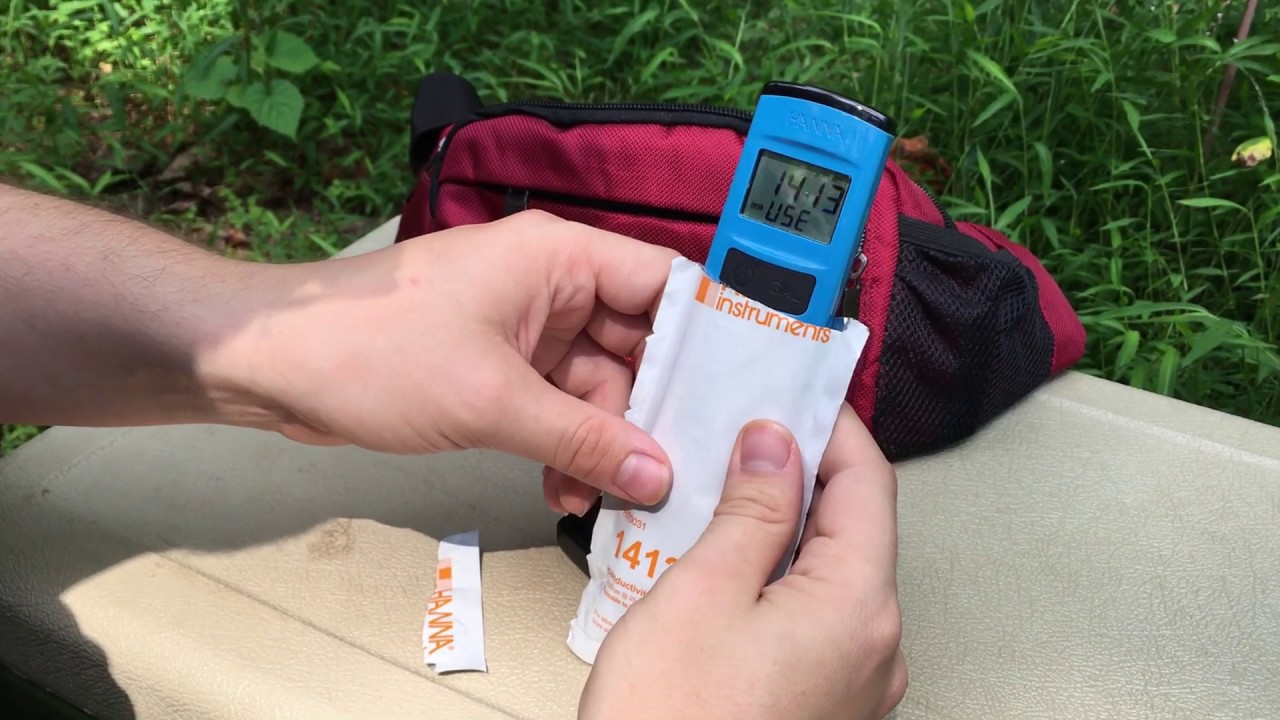
Performing Quality Control on the Site and Station
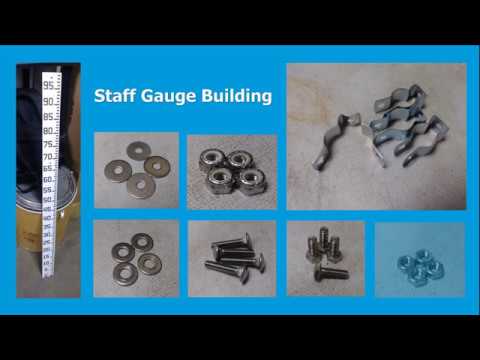
Installing a Staff Gauge at Your Monitoring Station Site
Downloading Monitoring Station Data
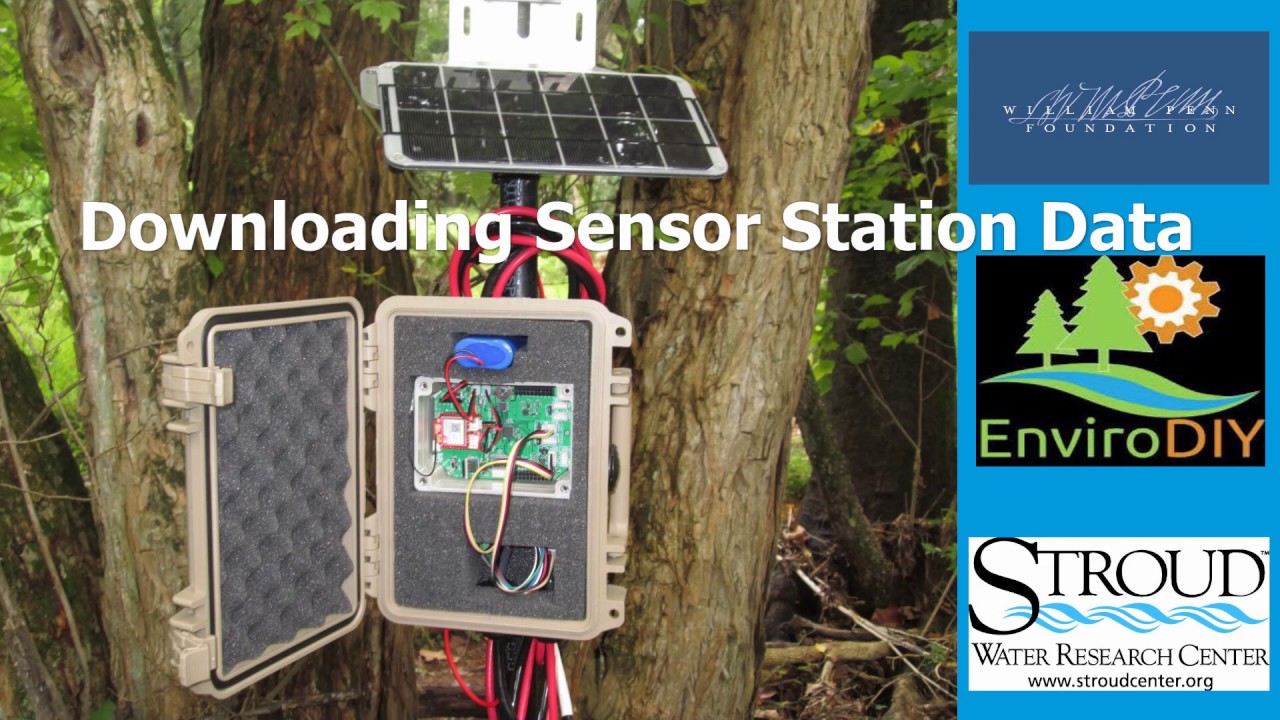
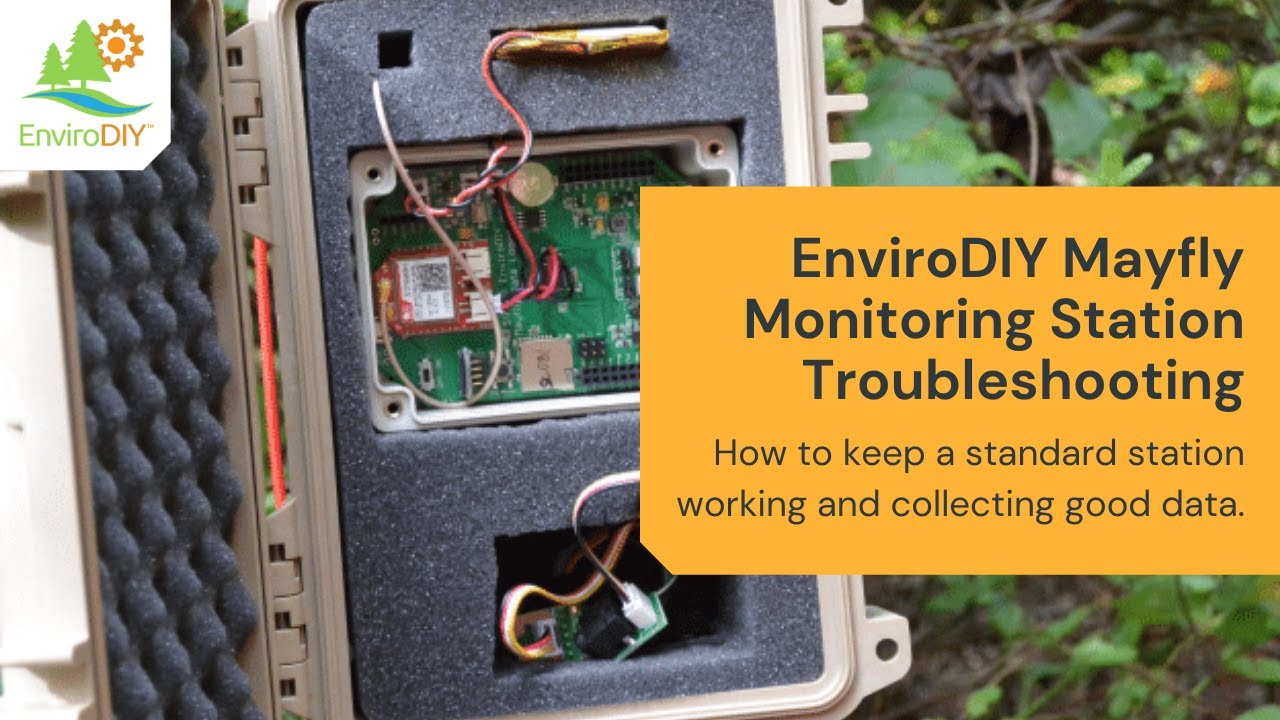
For complete instructions, see the EnviroDIY Mayfly Monitoring Station Manual Appendices.
Discharge Rating Curve Calculator (Flowmeter Data)
Discharge Rating Curve Calculator (Neutrally Buoyant Object Data)
Load calculator, Part 1: Entering Rating Curves
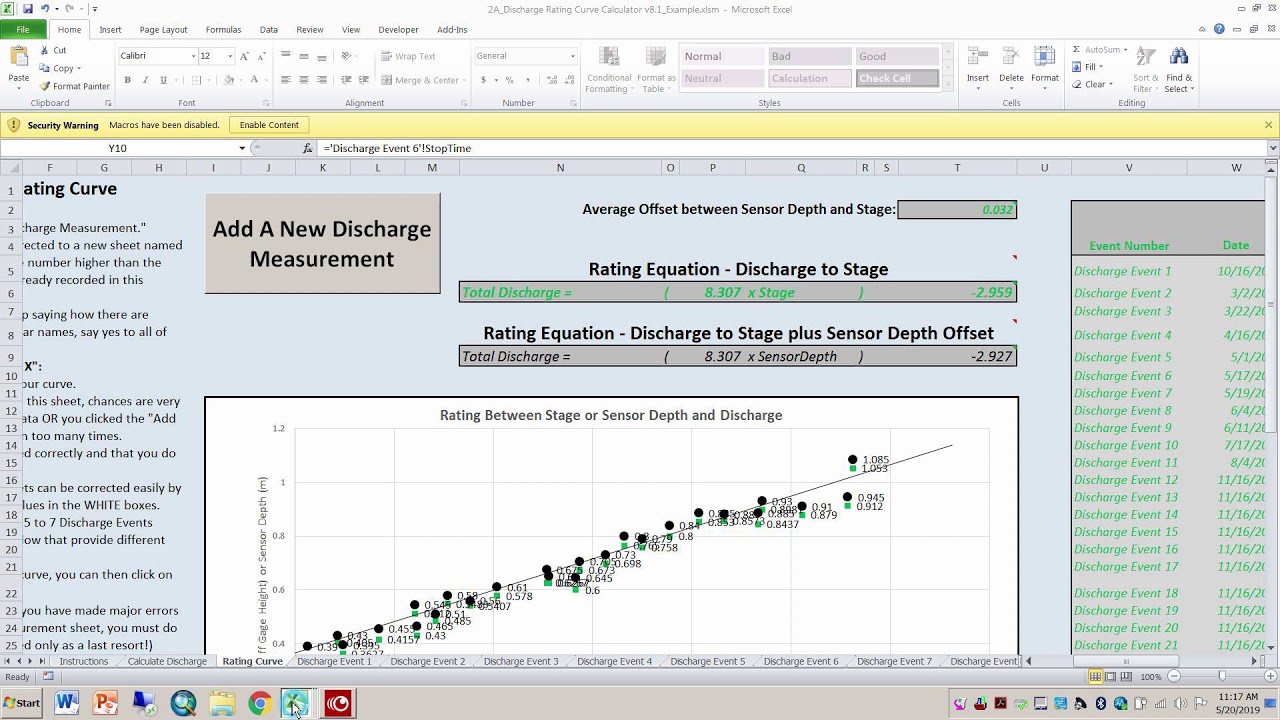
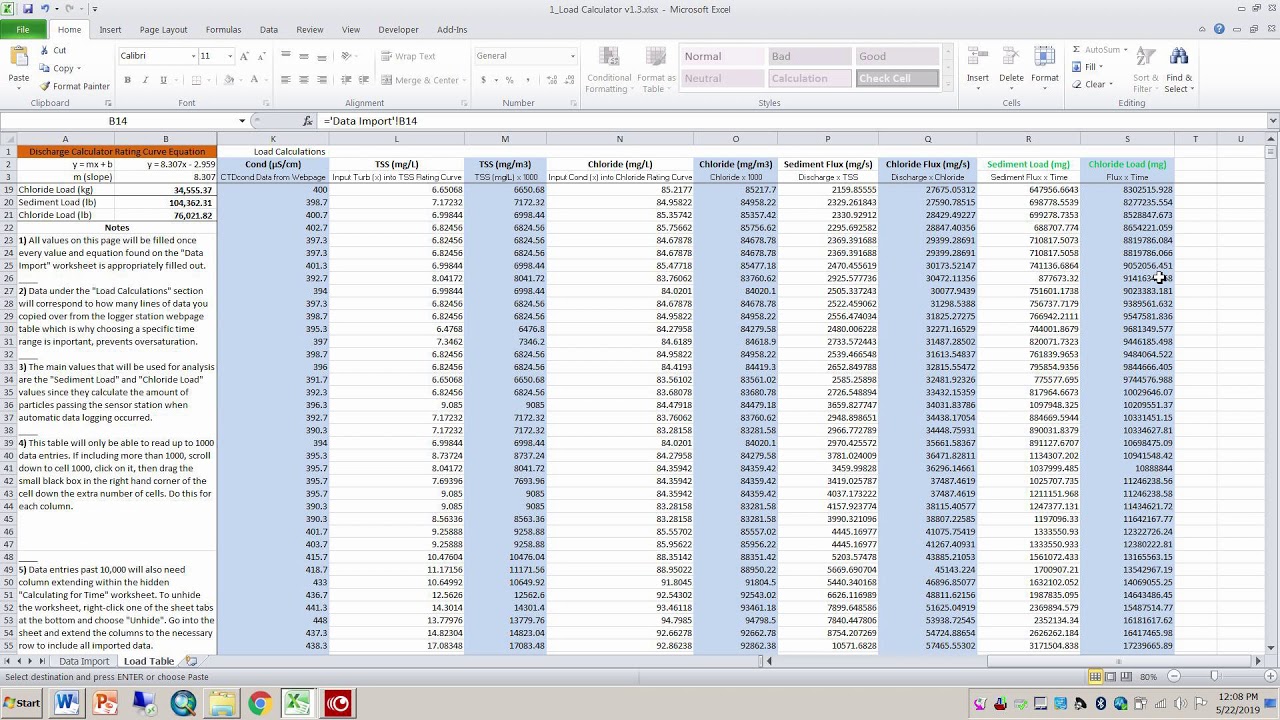
Load Calculator, Part 2: Preparing Sensor Data
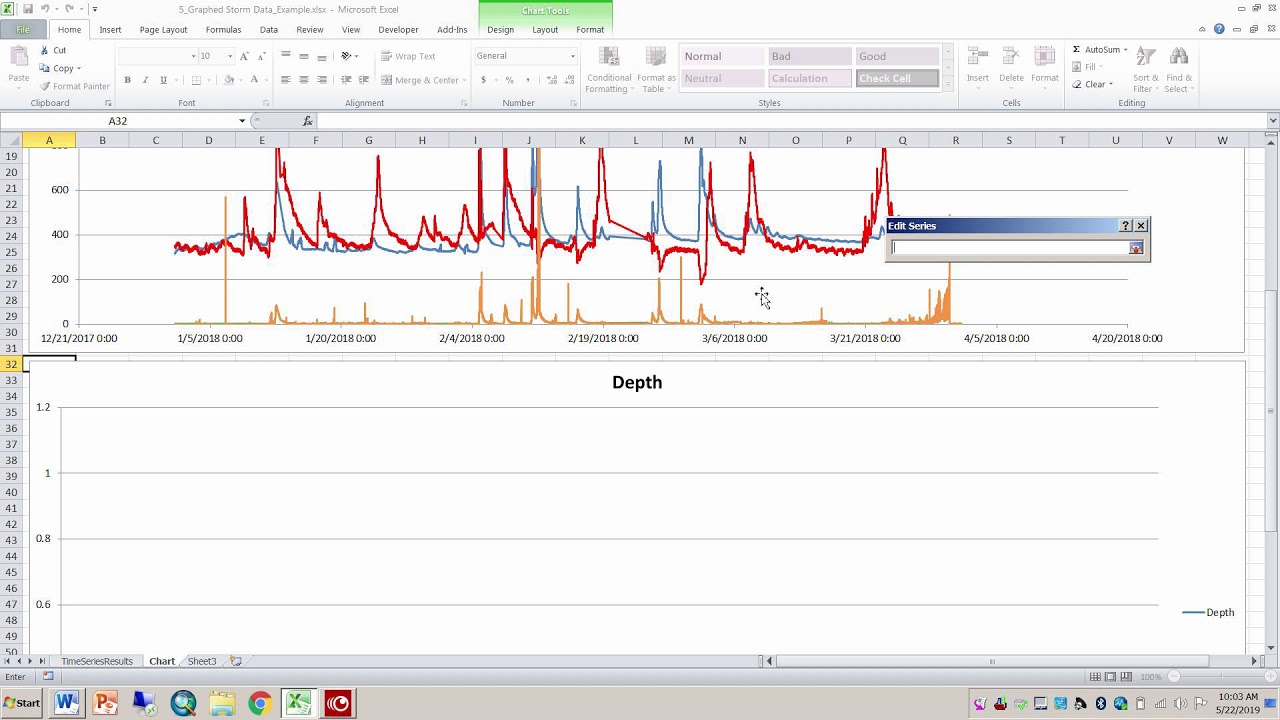
Load Calculator, Part 3: Calculating Storm Loads
Collecting a Grab Sample and Building Site Rating Curves
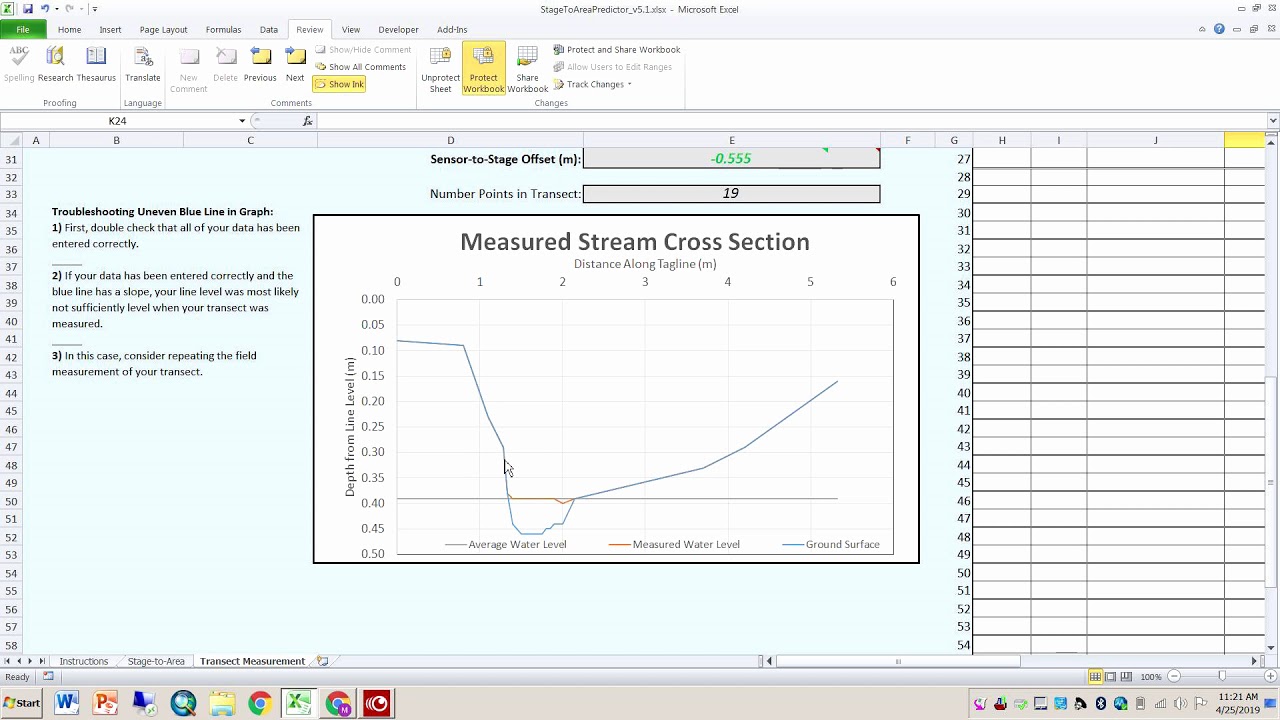
Stage to Area Predictor: Entering Cross Section Data
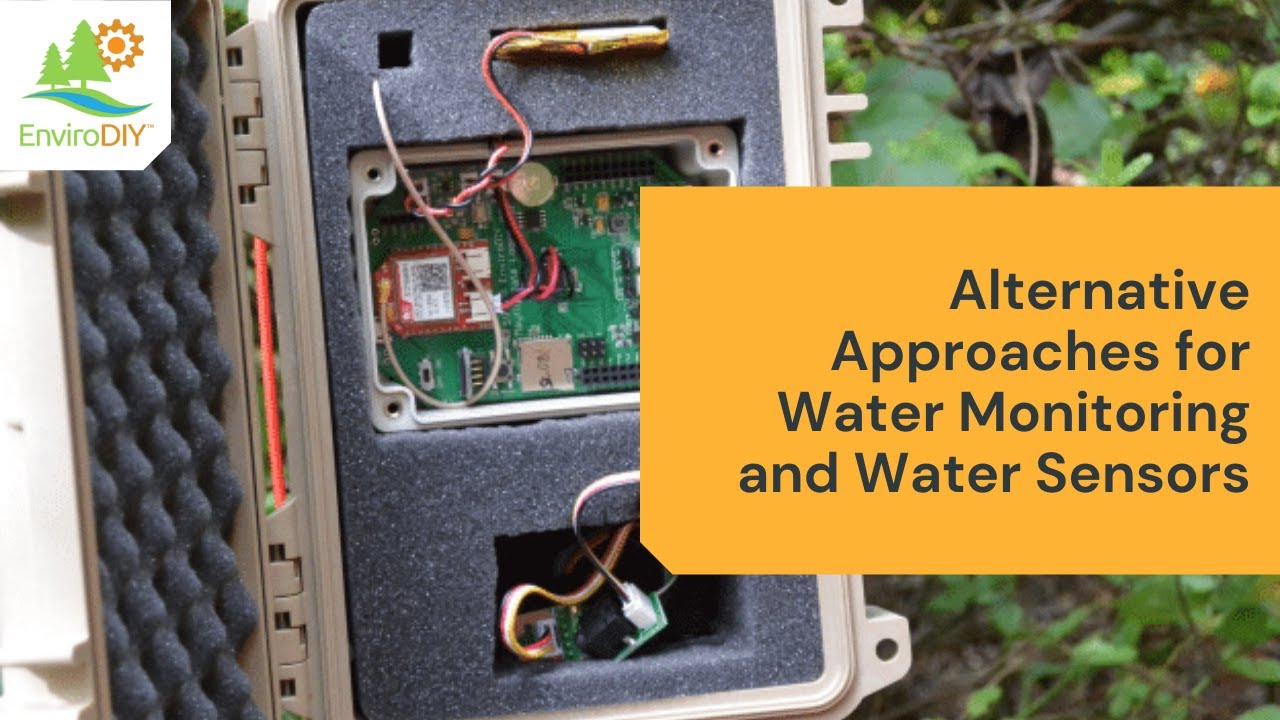
Alternative Approaches for Water Monitoring and Water Sensors
The 2021 Pennsylvania Conservation District’s Watershed Specialist Webinar Series included a presentation by Stroud Water Research Center on water monitoring using the Stroud Center’s EnviroDIY technology and procedures. The first 15 minutes of the video provides a broad overview of do-it-yourself (and do-it-together) approaches advanced by EnviroDIY, including real-time data reporting from remote locations through the Monitor My Watershed Data Sharing Portal. Next, David Bressler provides an overview of how to build an EnviroDIY Monitoring Station for measuring water temperature, depth, and conductivity with solar power and data telemetry.
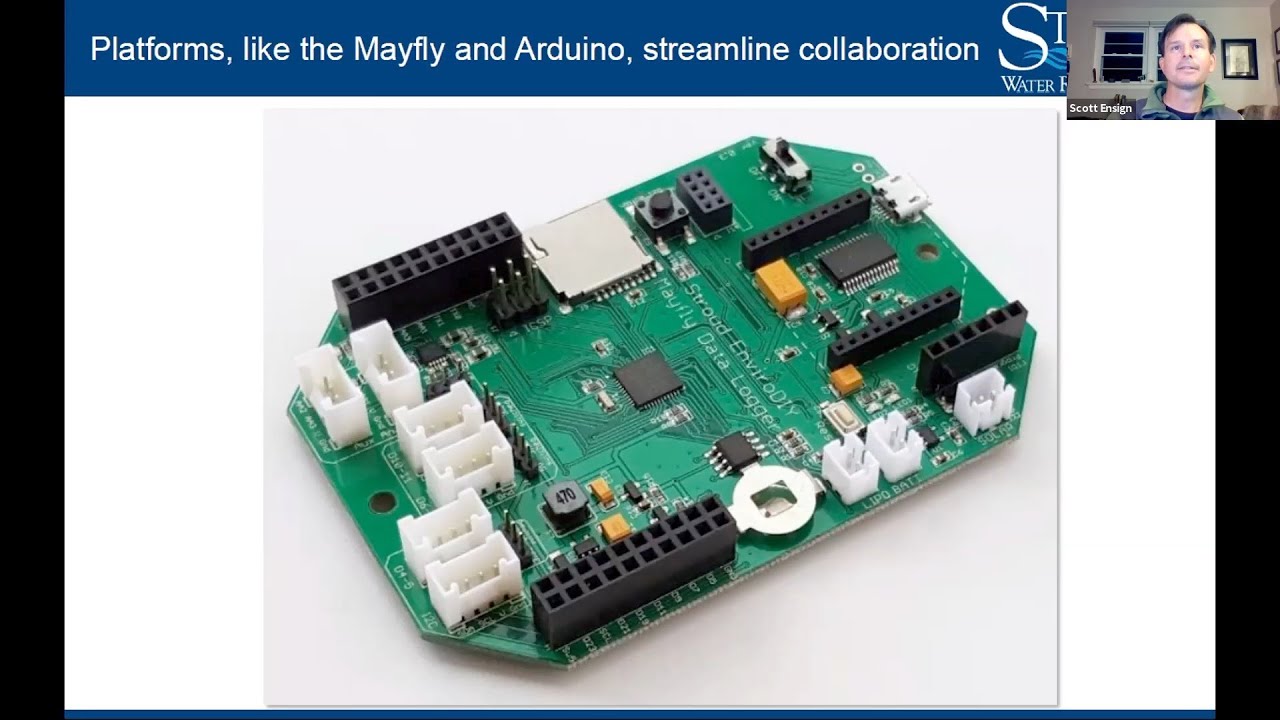
The Three Ingredients for Scaling up Water Sensor Networks: People, Platform, and Protocols
This webinar took place on October 1, 2022 and was part of the “Constructing a Digital Environment: Sensing the Environment” series by the National Environment Research Council, the United Kingdom’s largest funder of independent environmental science, training, and innovation delivered through universities and research centers.
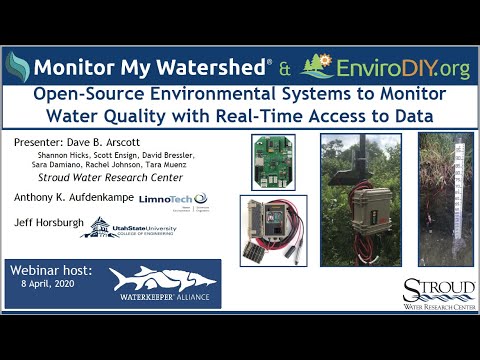
Monitor My Watershed and EnviroDIY: Open-Source Environmental Sensors to Monitor Water Quality with Real-Time Access to Data
(Visual presentation begins at around the 3:15 mark)
EnviroDIY Webinar with the California Water Quality Monitoring Collaboration Network
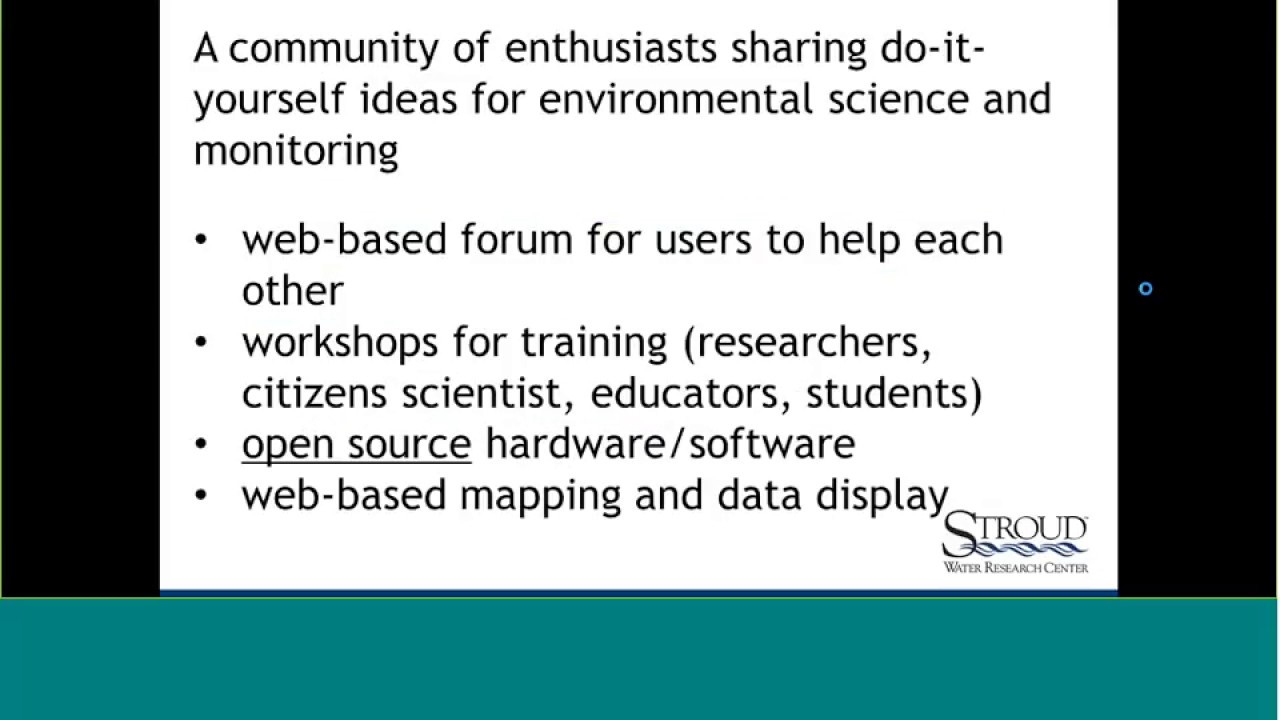
EnviroDIY.org: A Resource for Do-It-Yourself, Real-Time, Low-Cost Environmental Monitoring Solutions with Penn State Water Resources Extension