
 Welcome to EnviroDIY, a community for do-it-yourself environmental science and monitoring. EnviroDIY is part of WikiWatershed, an initiative of Stroud Water Research Center designed to help people advance knowledge and stewardship of fresh water.
 New to EnviroDIY? Start here
dataloggers
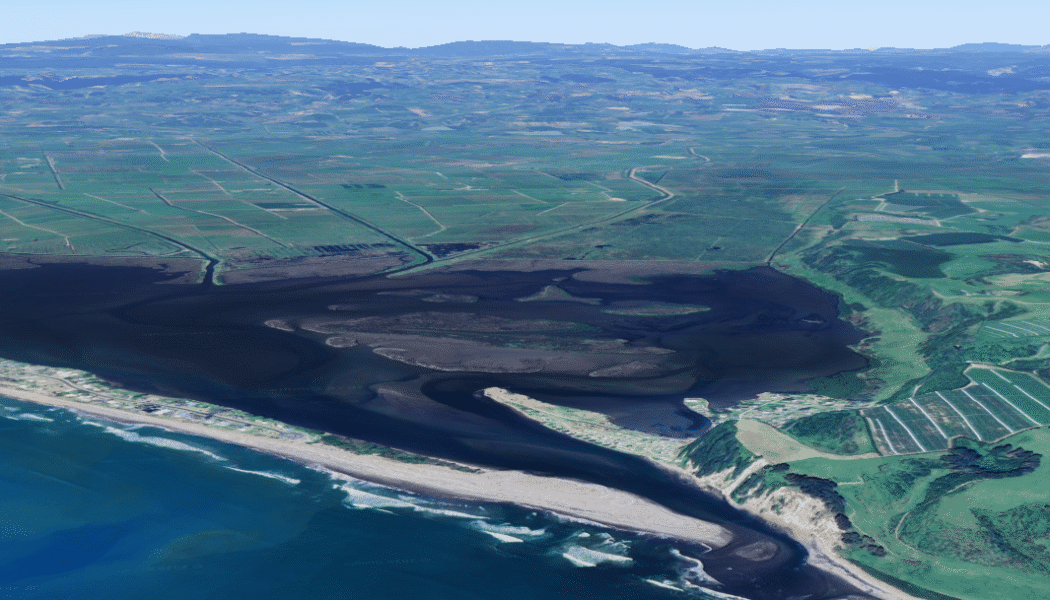

New Zealand Scientists Test Pollutant Monitoring Using EnviroDIY Hardware
Researchers in New Zealand discovered that high-frequency monitoring of rivers yielded a more accurate accounting of nitrogen, phosphorus, and sediment loads than monthly grab samples allowed for. While high-frequency monitoring was more expensive, “the added investment is minor when weighed against the risks of poorly informed land management actions or generic policies based on limited con...[Read More]

Monitor My Watershed: New Release!
This new version enhances performance, addresses important bugs, and improves scalability and reliability.
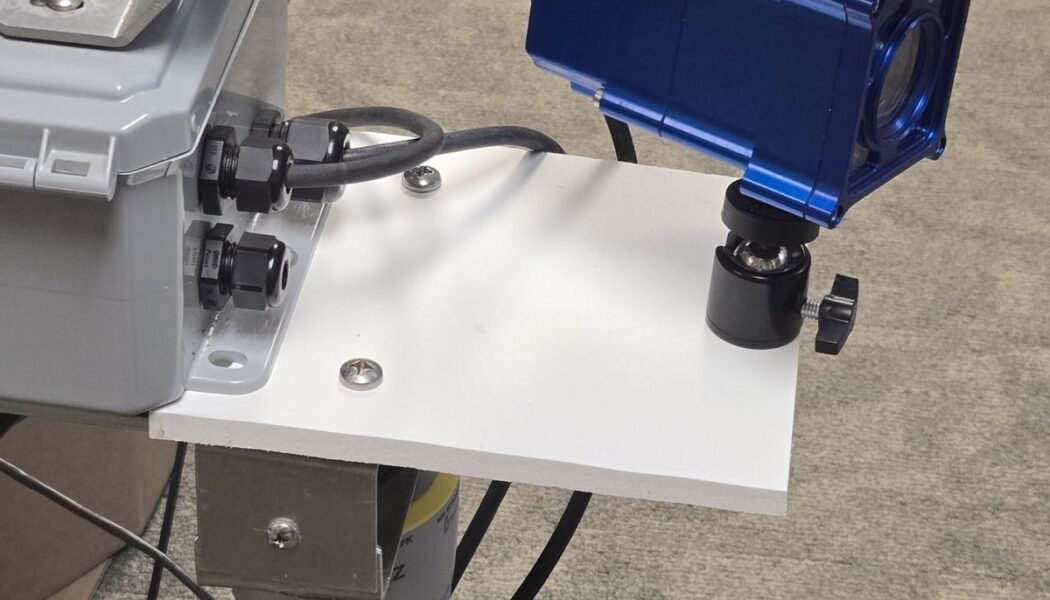

A River Flood Monitoring System for Rapid Deployment
Filling river monitoring gaps requires systems with low size, weight, power consumption, and cost. Stroud Water Research Center’s ORCA fits the bill.
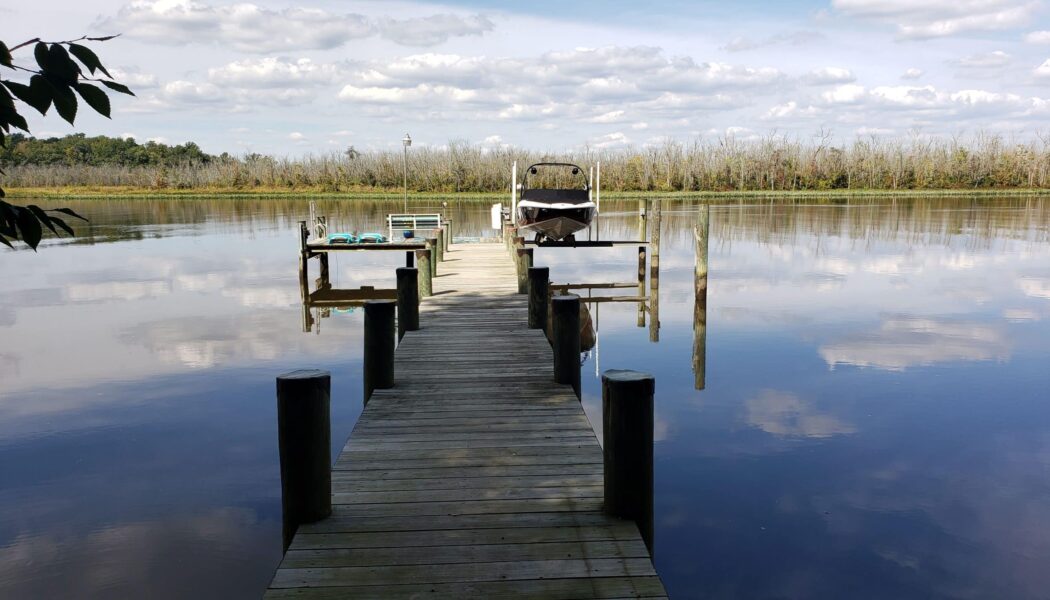

Reliable, Low-Cost Methods for Sensor Deployment in Estuaries
Stroud Water Research Center investigated tidal dynamics and associated sediment movement in two Maryland rivers using EnviroDIY Monitoring Stations.
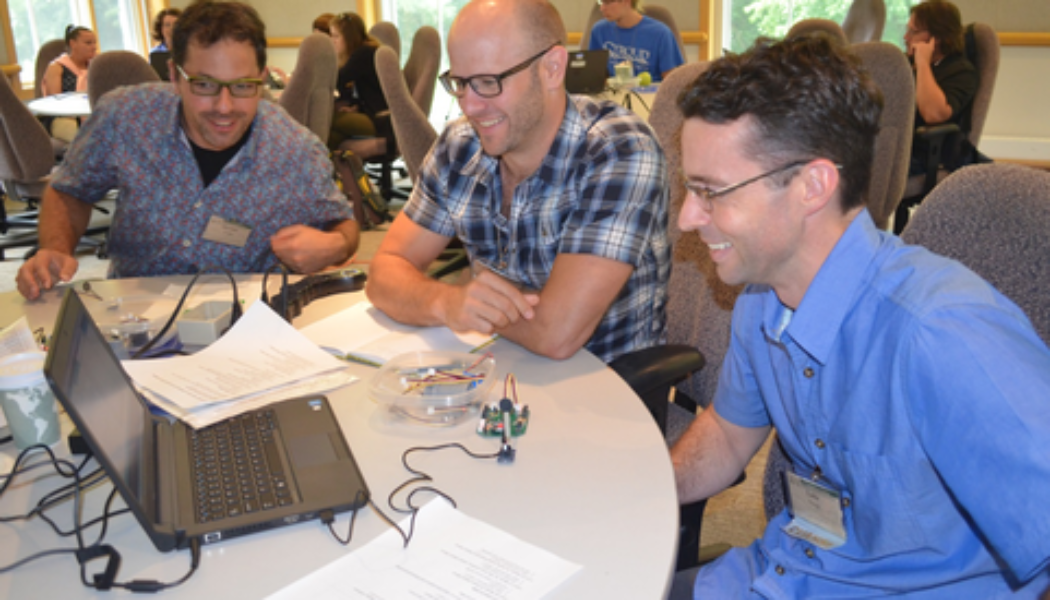

Learn Do-It-Yourself Electronics for Environmental Monitoring
This workshop will help you learn the skills necessary to assemble, program, and deploy a water monitoring station, but with the understanding that the DIY journey has just begun!
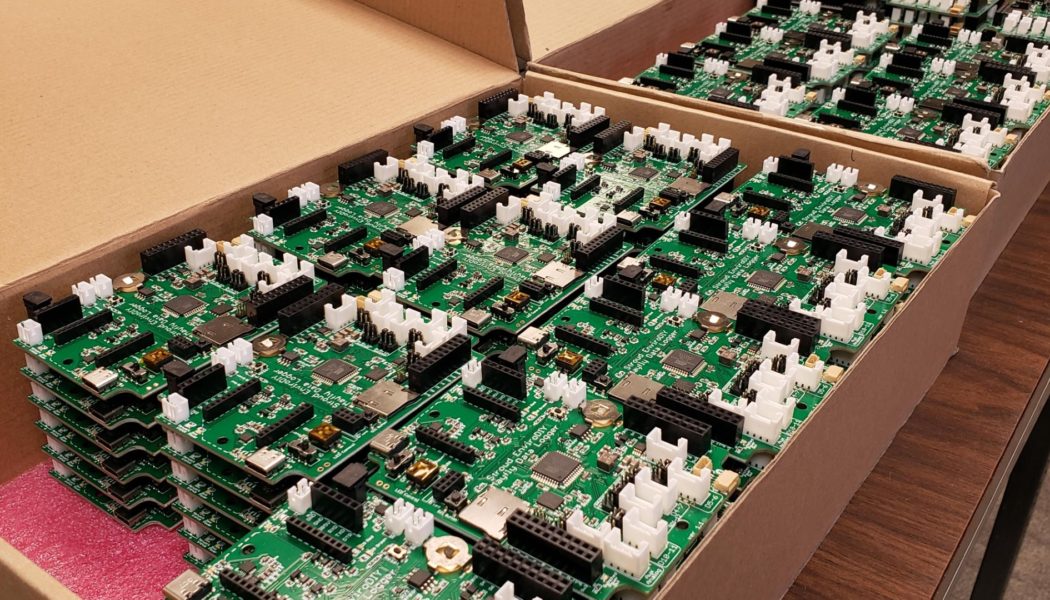

New Mayfly v1.1 release date and Product Status page
The new Mayfly v1.1 boards will be available starting March 10, 2022.
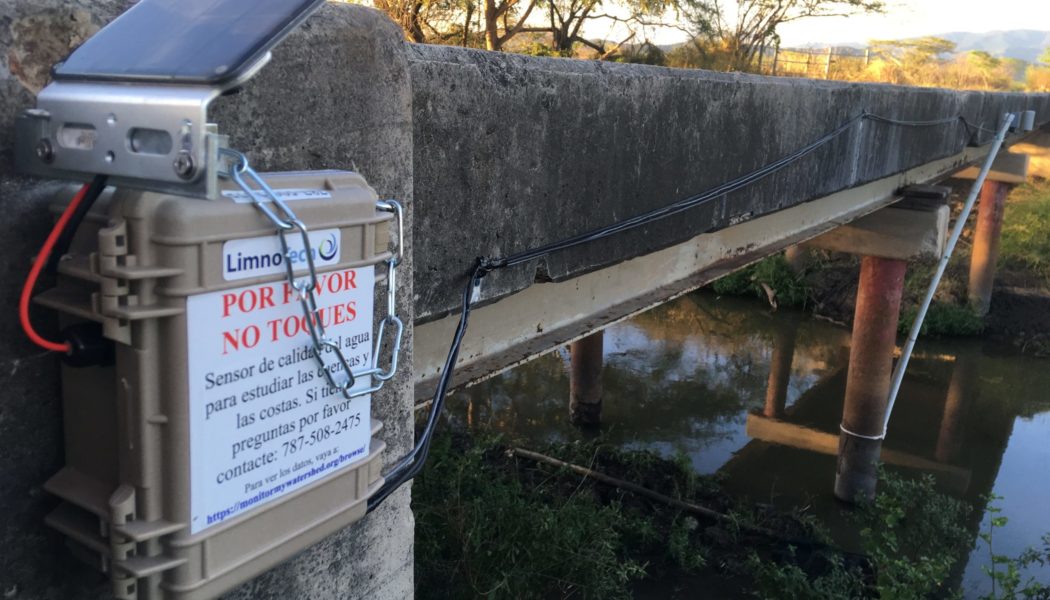

New Tutorial: Learn EnviroDIY Programming
I’m a scientist with a limited amount of coding background and an even more limited understanding of electrical engineering, and EnviroDIY Modular Sensors on GitHub has made Arduino framework environmental monitoring possible for me. This blog post will point you to a tutorial that is intended to get end-users like me doing Arduino framework environmental monitoring like a pro. The Arduino Revolut...[Read More]
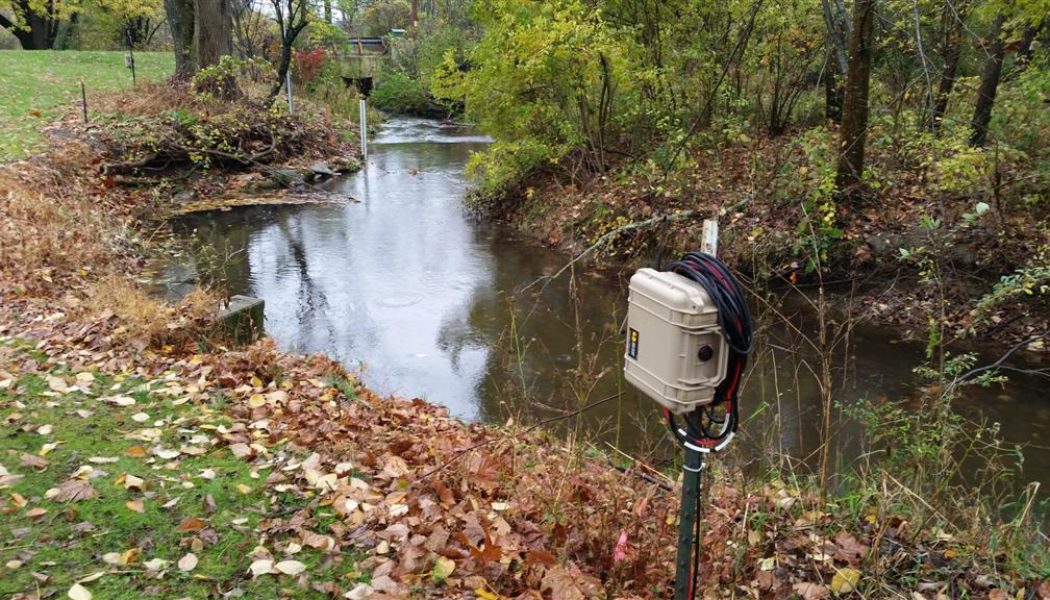

Build Your Own EnviroDIY Monitoring Station
Stroud Water Research Center recently unveiled a comprehensive manual for building, programming, deploying, and maintaining an EnviroDIY Monitoring Station.
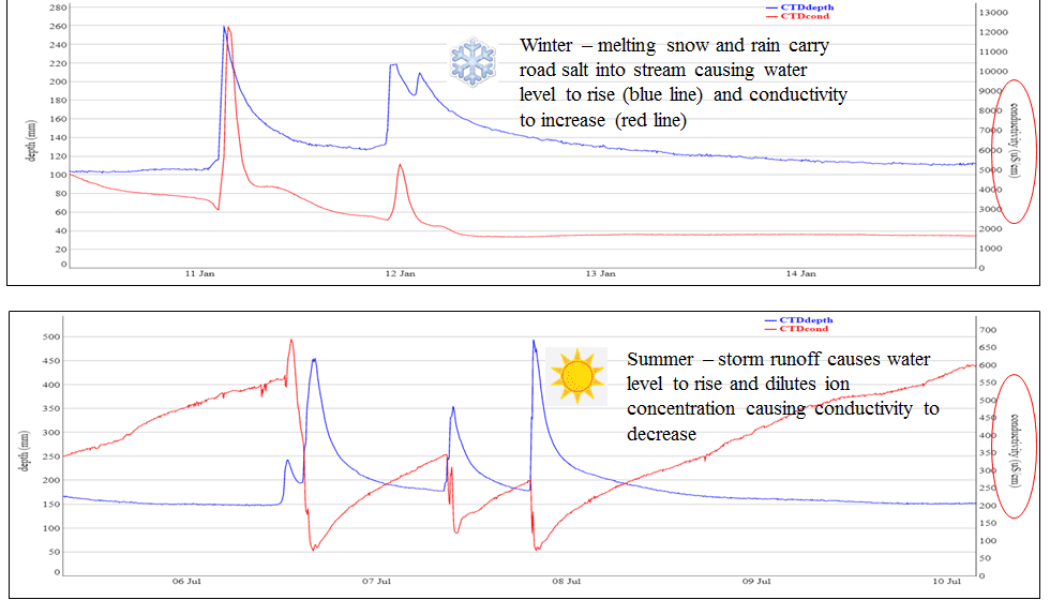

EnviroDIY Sensors Track Road Salt Levels in Streams
During 2017, Stroud Water Research Center provided over 30 EnviroDIY sensor stations to watershed groups working in the Delaware River Basin to support monitoring, education, and outreach.


Webinar: Do-It-Yourself, Real-Time, Low-Cost Environmental Monitoring Solutions
Introducing resources and tools you can use to build data loggers that can form the core of your DIY freshwater or terrestrial monitoring system.
EnviroDIY Funded! Workshop Plans for 2017
Expanding EnviroDIY training with grants from William Penn Foundation and Environmental Protection Agency
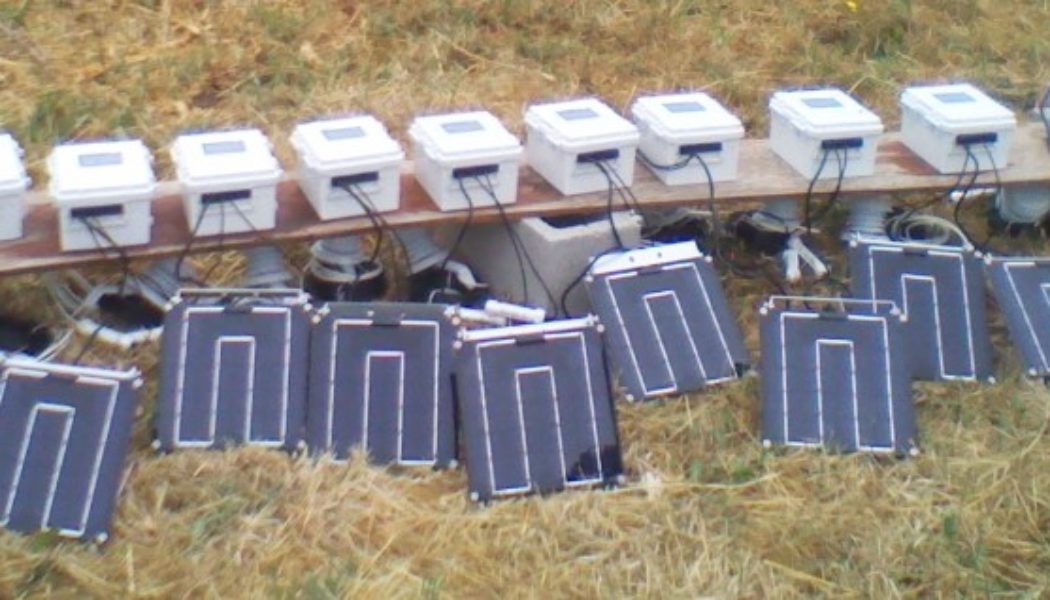

Accurate low stream depth measurements viewable on internet
Working on a remote river monitoring project with partners Cemar.org and a local chapter of The Nature Conservancy.
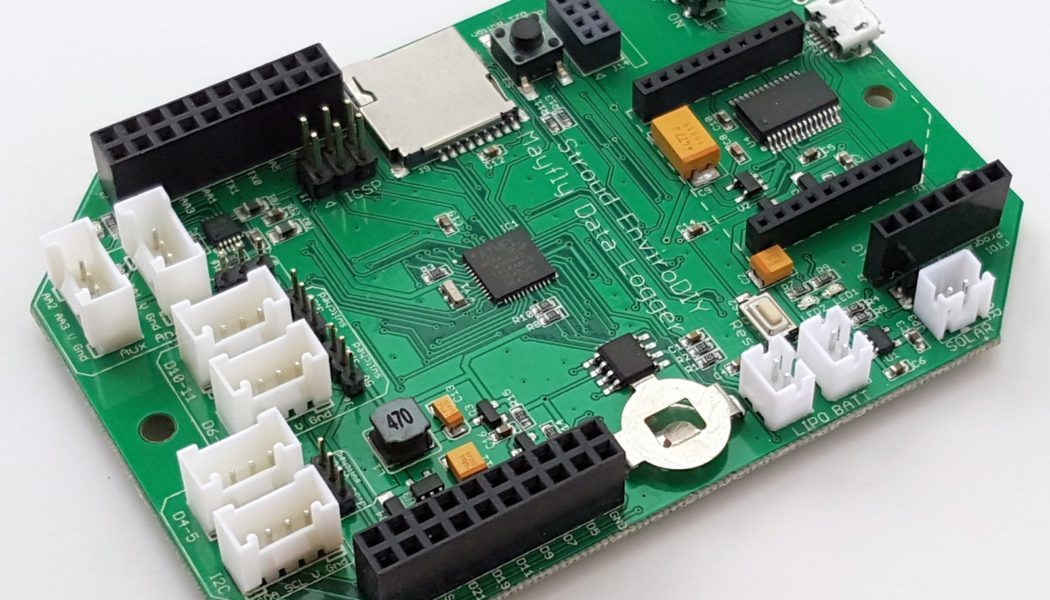

Introducing the new Mayfly Logger
It has a combination of features and capabilities that make it one of the most powerful and flexible logger platforms available.
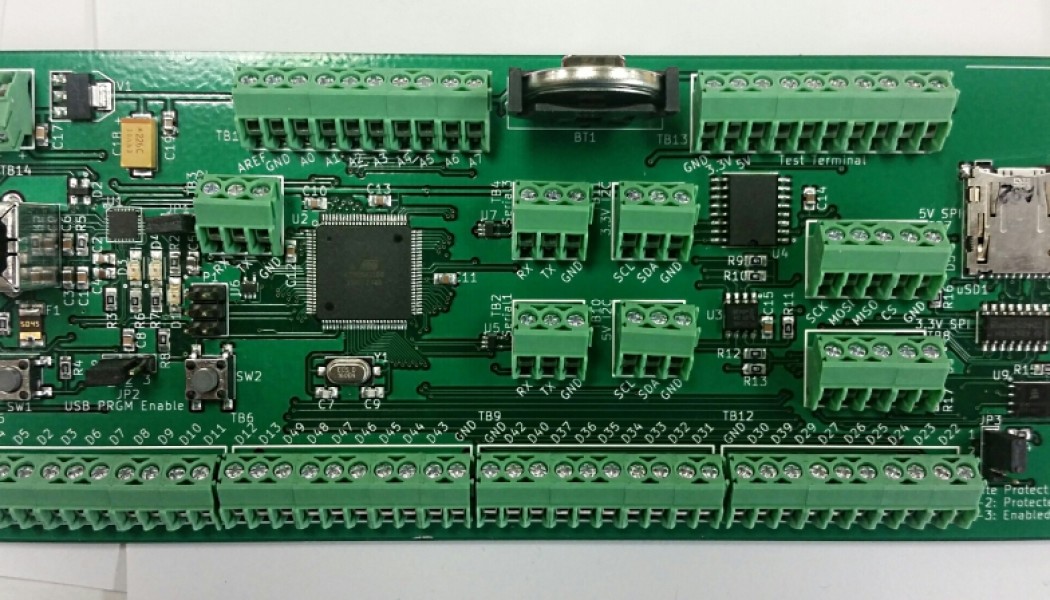

Arduino DataLogger Board
Wanted to share my most recent attempt at a customized Arduino based (Mega2560) data logger board. I’ve used a Silicon Labs CP2104 USB interface and also contains: -DS3231 RTC with Battery B/U -uSD Card -4MB MRAM (SPI interface) – 3 Serial Port Headers (3.3V/5V) **I left Serial dedicated to the USB, but Serial1, 2, and 3 are avail. -3.3V/5V I2C headers -3.3V/5V SPI headers All digital...[Read More]

Emerging Technologies
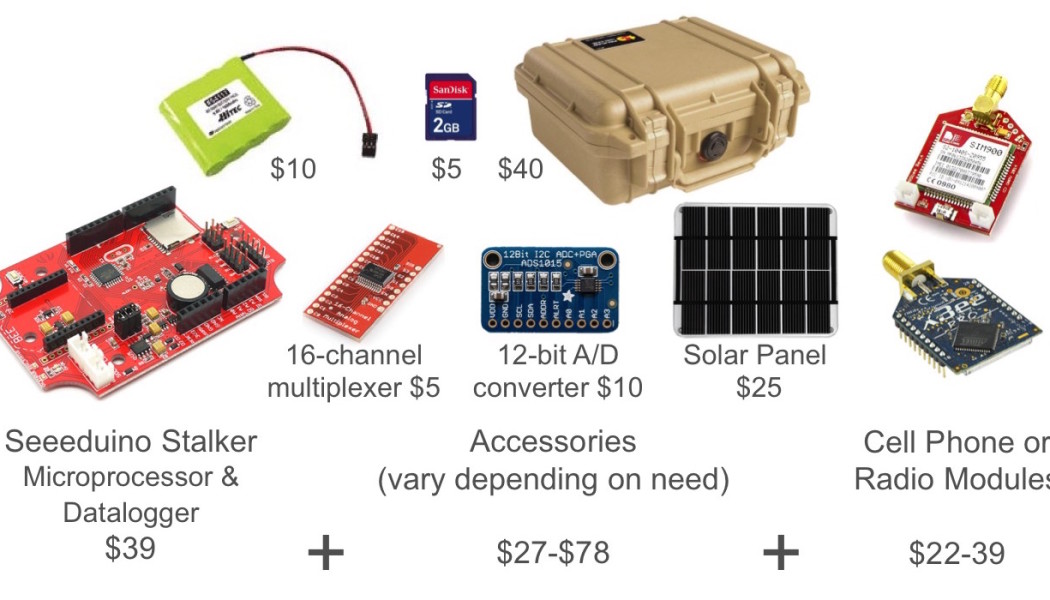
Implementing large-scale sensor deployment for watershed assessment has previously been limited by the high cost of the datalogging and communication infrastructure. We're overcoming these obstacles.


Welcome to EnviroDIY
Welcome to our blog on dataloggers, sensors, and other open source hardware projects. We have created this site as a way of sharing our ideas, designs, and source code so other researchers and hobbyists can follow along with what we are developing. Hopefully this will be a collaborative effort where we can trade knowledge and build some innovative new hardware projects together. During the first...[Read More]