
 Welcome to EnviroDIY, a community for do-it-yourself environmental science and monitoring. EnviroDIY is part of WikiWatershed, an initiative of Stroud Water Research Center designed to help people advance knowledge and stewardship of fresh water.
 New to EnviroDIY? Start here
sensors
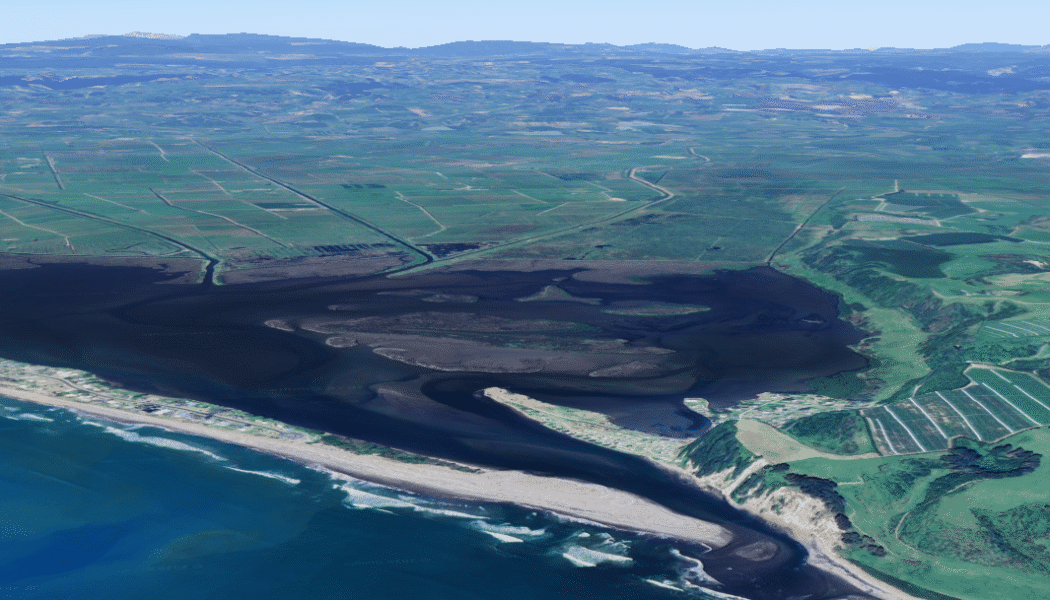

New Zealand Scientists Test Pollutant Monitoring Using EnviroDIY Hardware
Researchers in New Zealand discovered that high-frequency monitoring of rivers yielded a more accurate accounting of nitrogen, phosphorus, and sediment loads than monthly grab samples allowed for. While high-frequency monitoring was more expensive, “the added investment is minor when weighed against the risks of poorly informed land management actions or generic policies based on limited con...[Read More]
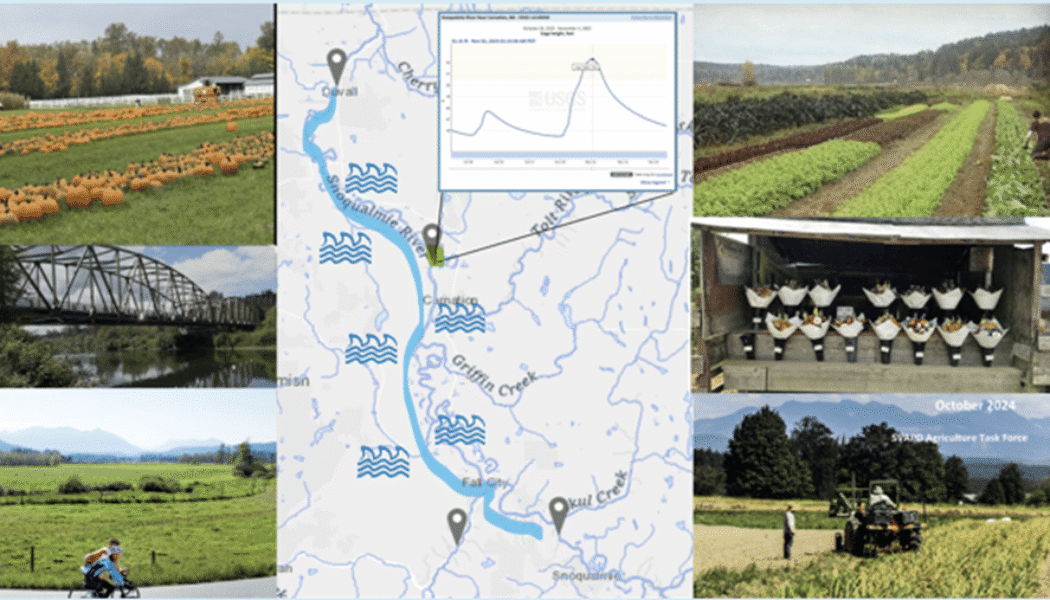

Floodzilla Gauge Network: Community-Designed Flood Monitoring
Flooding is a part of life in the lower Snoqualmie Valley in Washington. The Floodzilla Gauge Network helps residents, land managers, and farmers prepare.

Monitor My Watershed: New Release!
This new version enhances performance, addresses important bugs, and improves scalability and reliability.
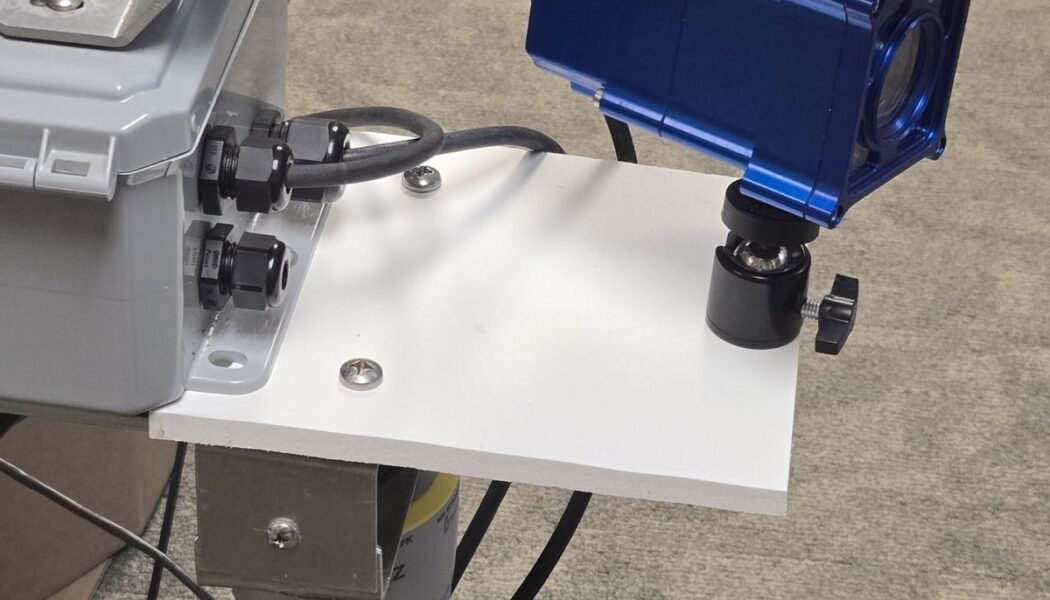

A River Flood Monitoring System for Rapid Deployment
Filling river monitoring gaps requires systems with low size, weight, power consumption, and cost. Stroud Water Research Center’s ORCA fits the bill.
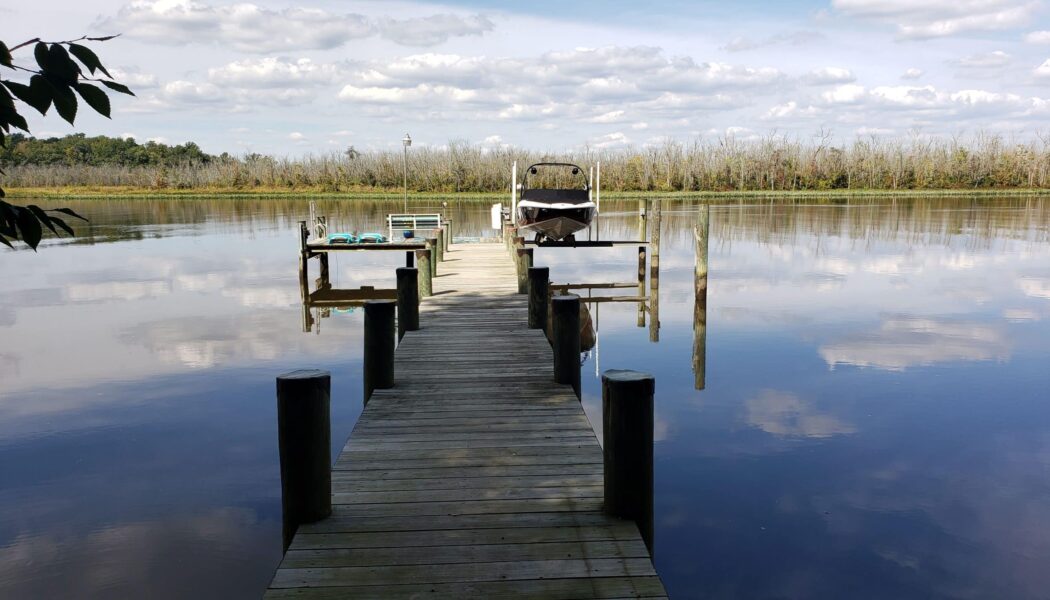

Reliable, Low-Cost Methods for Sensor Deployment in Estuaries
Stroud Water Research Center investigated tidal dynamics and associated sediment movement in two Maryland rivers using EnviroDIY Monitoring Stations.


Learn EnviroDIY With Us!
Stroud Water Research Center is offering a two-day, in-person workshop to introduce EnviroDIY technologies, including the Mayfly Data Logger.
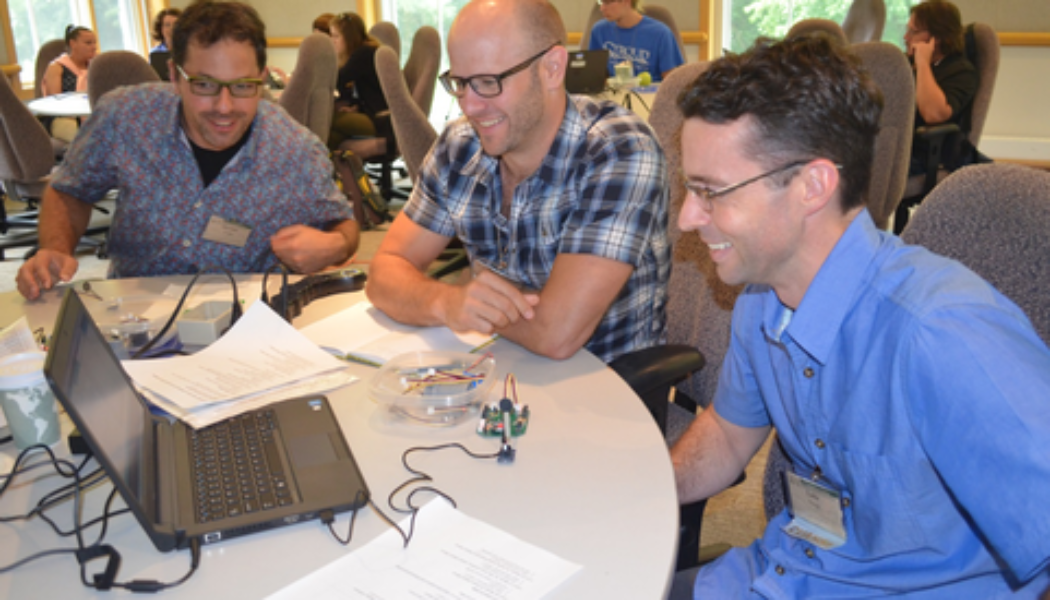

Learn Do-It-Yourself Electronics for Environmental Monitoring
This workshop will help you learn the skills necessary to assemble, program, and deploy a water monitoring station, but with the understanding that the DIY journey has just begun!
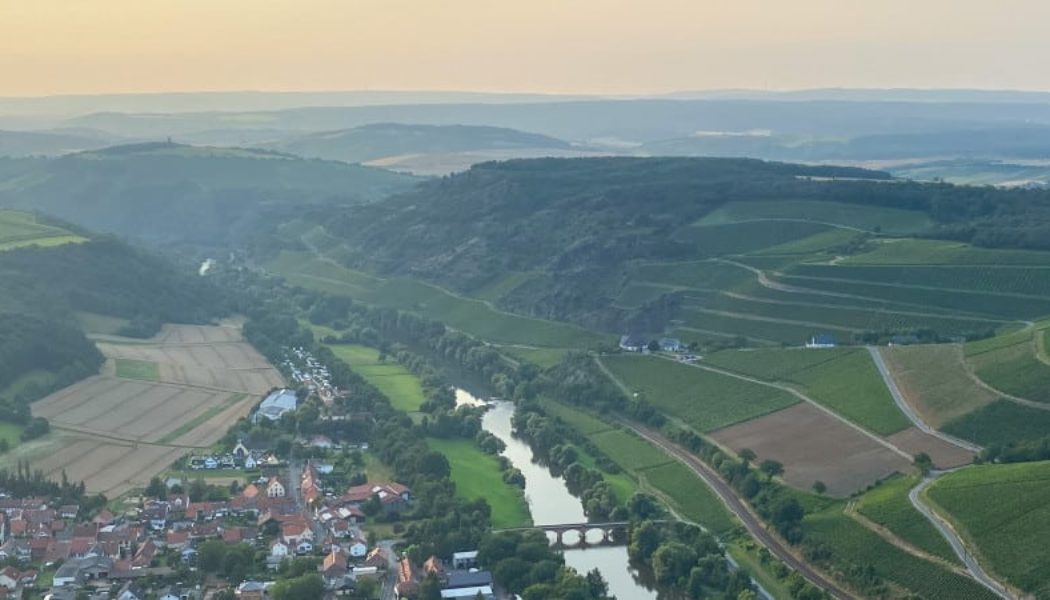

How a Nascent Internet of Water Gave Rise to the State-of-the-Science in Sensor Data Sharing
Data producers willing to share their data are the foundation of the Internet of Water, but first and foremost, that data must serve the needs of the data producer.
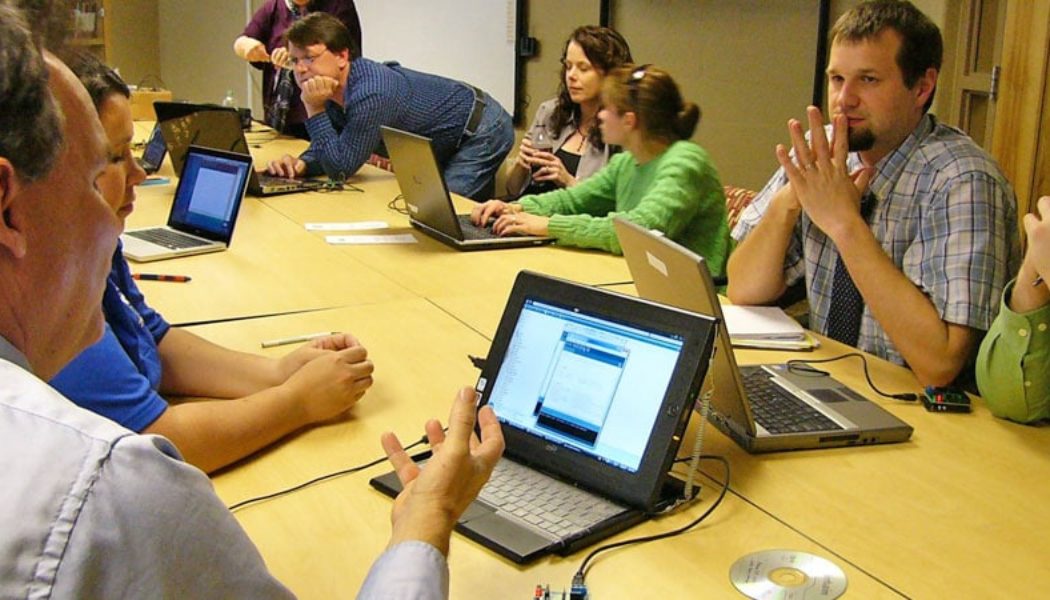

The Wide, Wide World of DIY (and DIT)
DIY is in many cases a misnomer; in reality, we Do-It-Together: bringing people together to develop and share environmental monitoring and measurement systems.
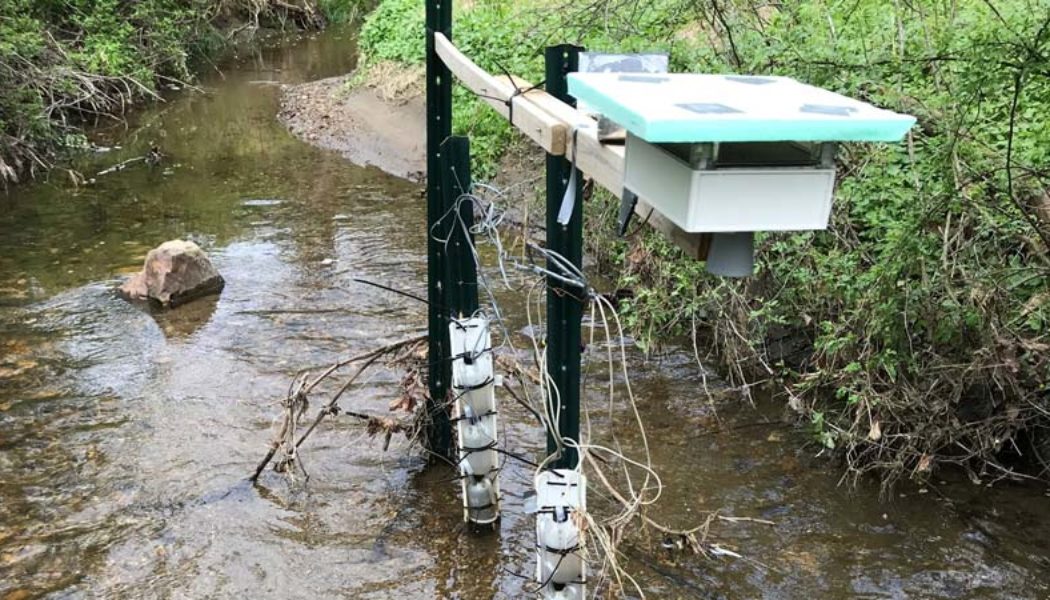

Evaluating Maxbotix Ultrasonic Sensors for Monitoring Stream Base Flow
We evaluated the positives and negatives of using Maxbotix MB7389 ultrasonic sensors for monitoring baseflow stream levels.
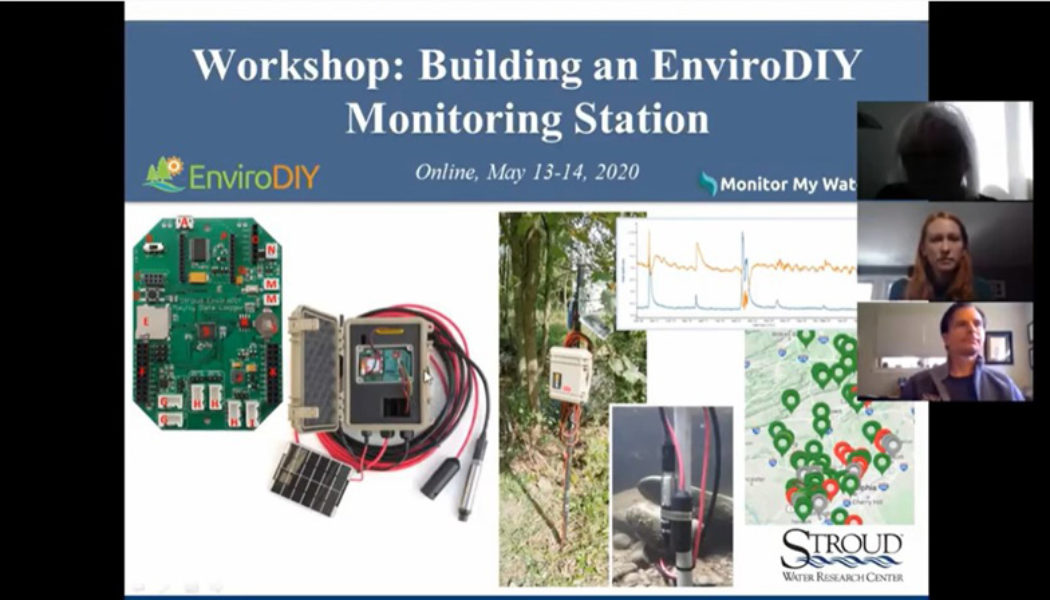

Virtual Do-It-Together Workshop Helps Citizen Scientists Get Monitoring Faster
This was the first workshop of its kind in which attendees were guided through the entire process of assembling, programming, and installing an EnviroDIY monitoring station from start to finish.
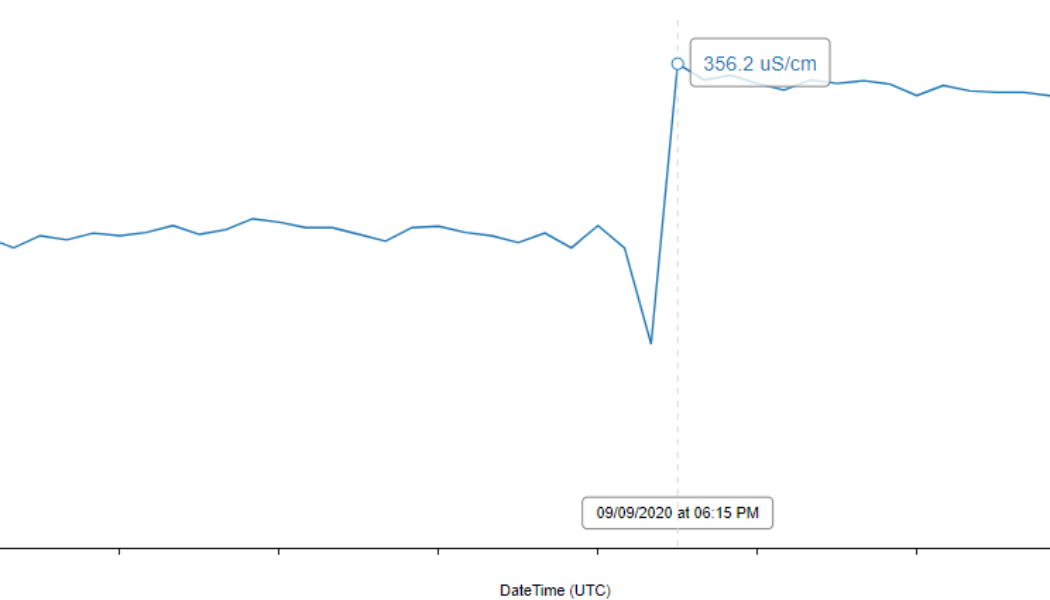

Increase Data Quality From Your Meter Hydros 21 CTD Sensor With These Tips
Regular cleaning of your EnviroDIY Monitoring Station sensors is the most important step in making sure you are collecting meaningful data.
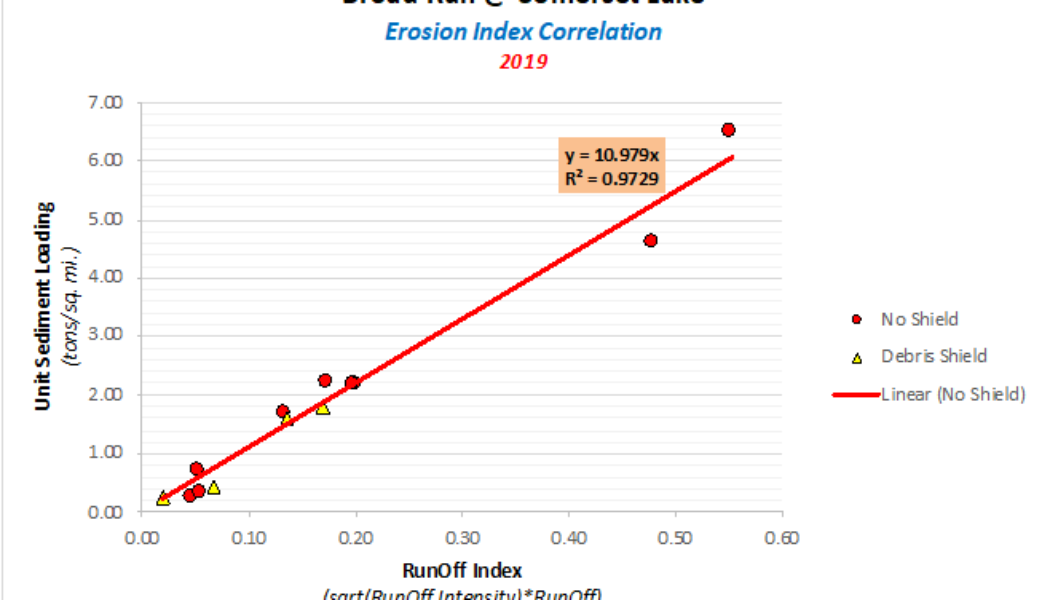

Hemispherical Shield to Reduce Fouling of Campbell Turbidity Sensor
Sensor fouling greatly reduced our confidence in the turbidity data. We decided to test a hemispherical shield for ease of construction and installation.
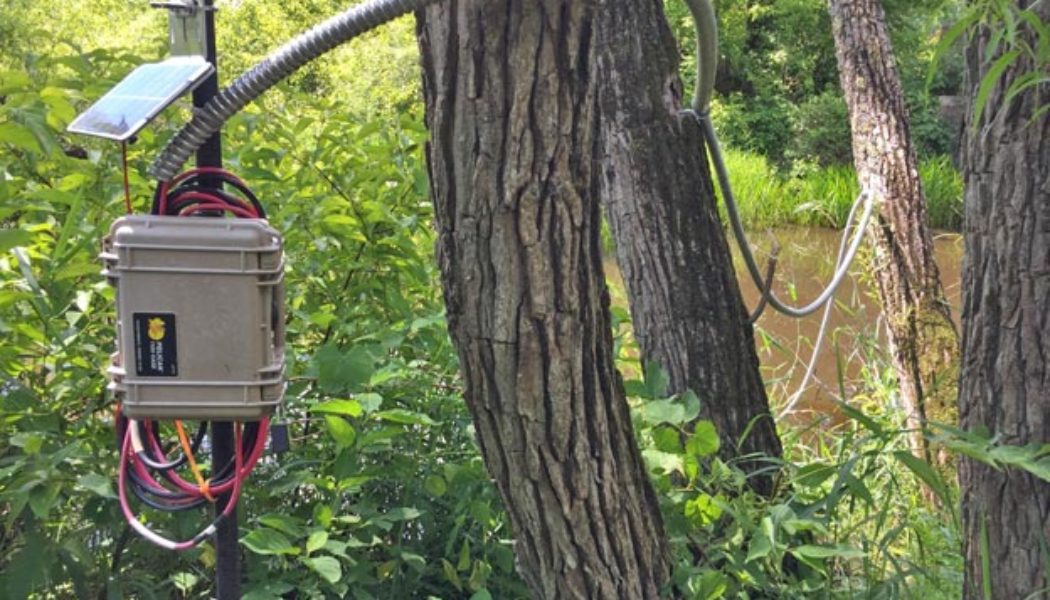

Protecting EnviroDIY Monitoring Stations From Beaver Damage
One area of vulnerability for EnviroDIY Monitoring Stations is rodent damage and in particular beavers. Beaver tend to bite anything that gets in their way while in the water and they have very sharp teeth!
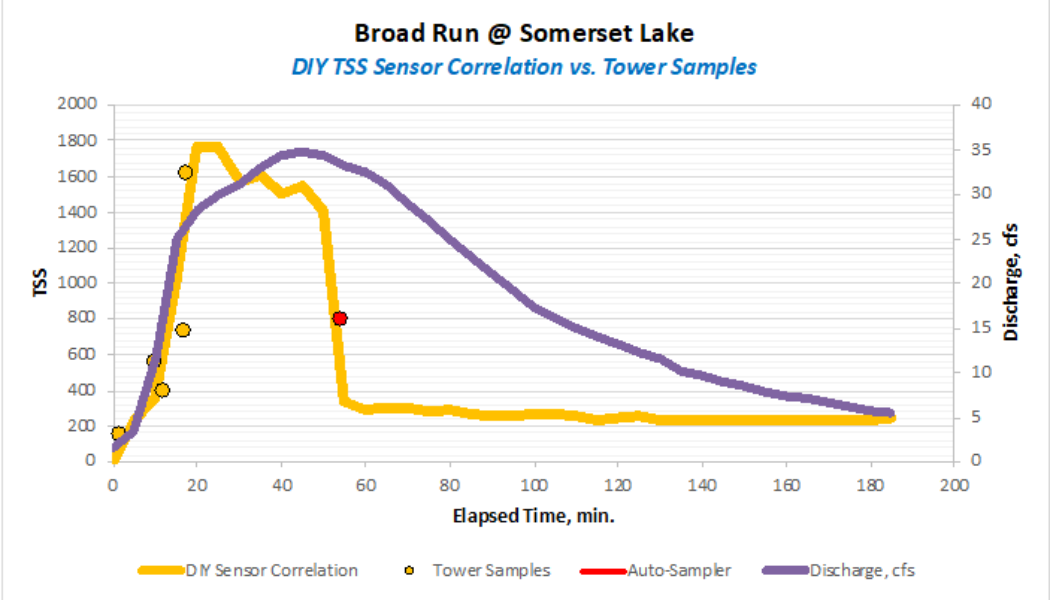

Low-Cost Stream “Tower Sampler”
We have developed a low-cost and very simple “Tower Sampler” that utilizes plastic bottles mounted vertically in the stream to collect discrete samples as various stream levels.
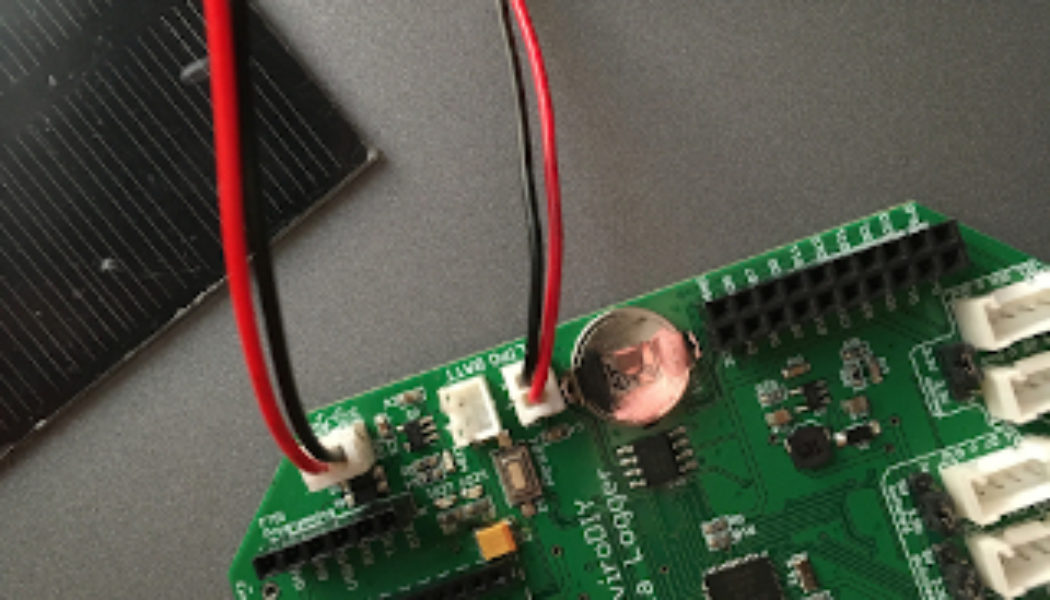

Building a Continuous Temperature Logger with the EnviroDIY Mayfly
This document outlines what you will need to build a Continuous Temperature Logger with the EnviroDIY Mayfly Data Logger. This is a great EnviroDIY starter project and utilizes the Mayfly Data Logger and a OneWire Temperature Sensor.
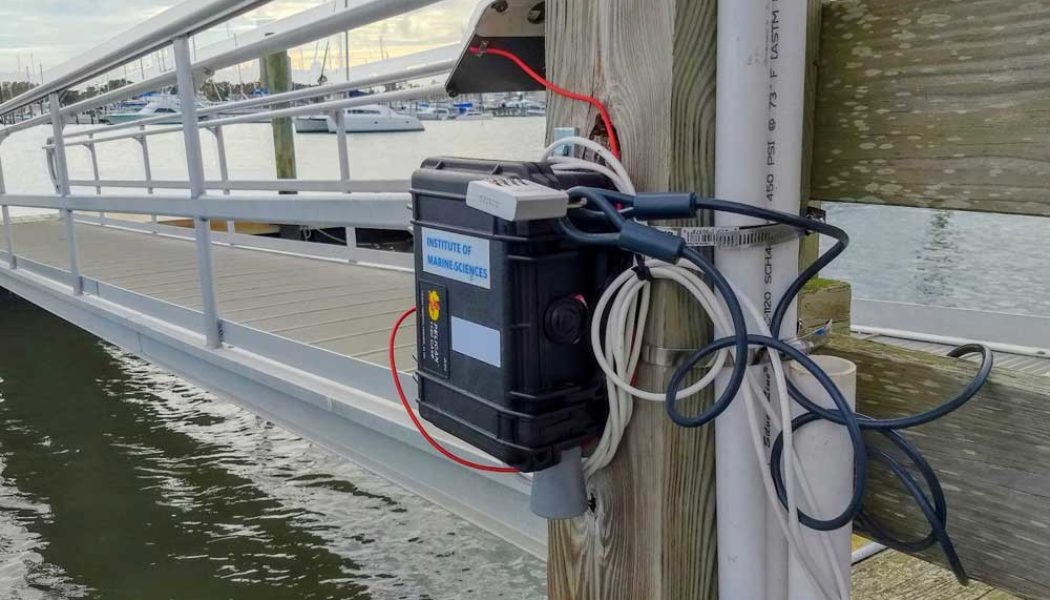

Monitoring Coastal Streams With the Mayfly Data Logger and Atlas Scientific Sensors
Adam Gold from the University of North Carolina Institute of Marine Sciences explains how the unique characteristics of coastal streams influenced his monitoring station design.
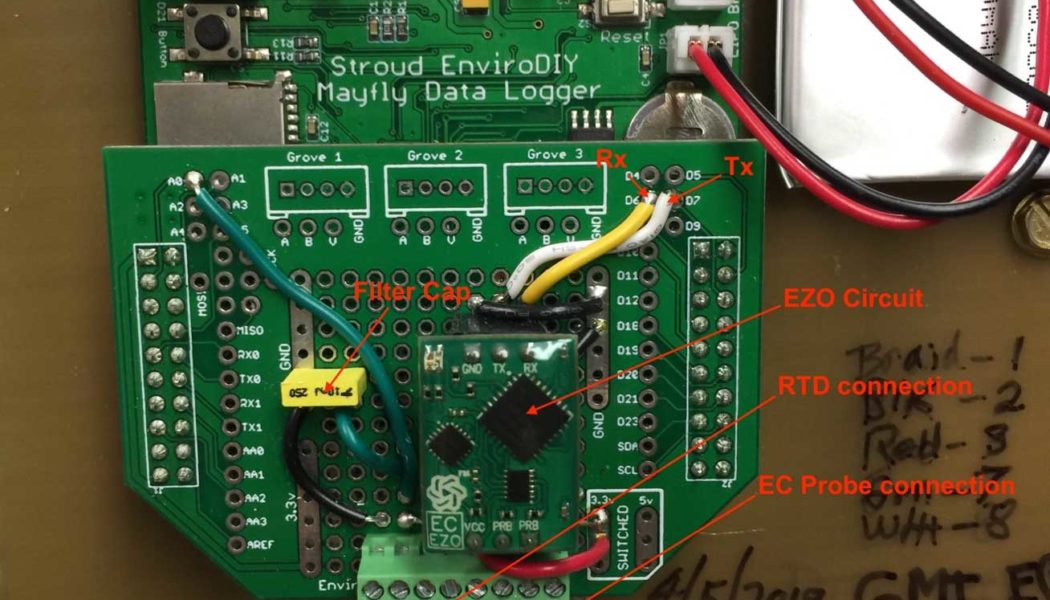

Building a Low-Cost Electrical Conductivity Sensor Using the Mayfly Platform
A low-cost electrical conductivity sensor using the Mayfly platform was developed in part to support efforts to study the effects of stormwater runoff into Great Marsh in Chester County, Pennsylvania.
- 1
- 2