
 Welcome to EnviroDIY, a community for do-it-yourself environmental science and monitoring. EnviroDIY is part of WikiWatershed, an initiative of Stroud Water Research Center designed to help people advance knowledge and stewardship of fresh water.
 New to EnviroDIY? Start here
Tips & Pointers
Sharing what we’ve learned so that others don’t have to reinvent the wheel.

Reliable, Low-Cost Methods for Sensor Deployment in Estuaries
Stroud Water Research Center investigated tidal dynamics and associated sediment movement in two Maryland rivers using EnviroDIY Monitoring Stations.
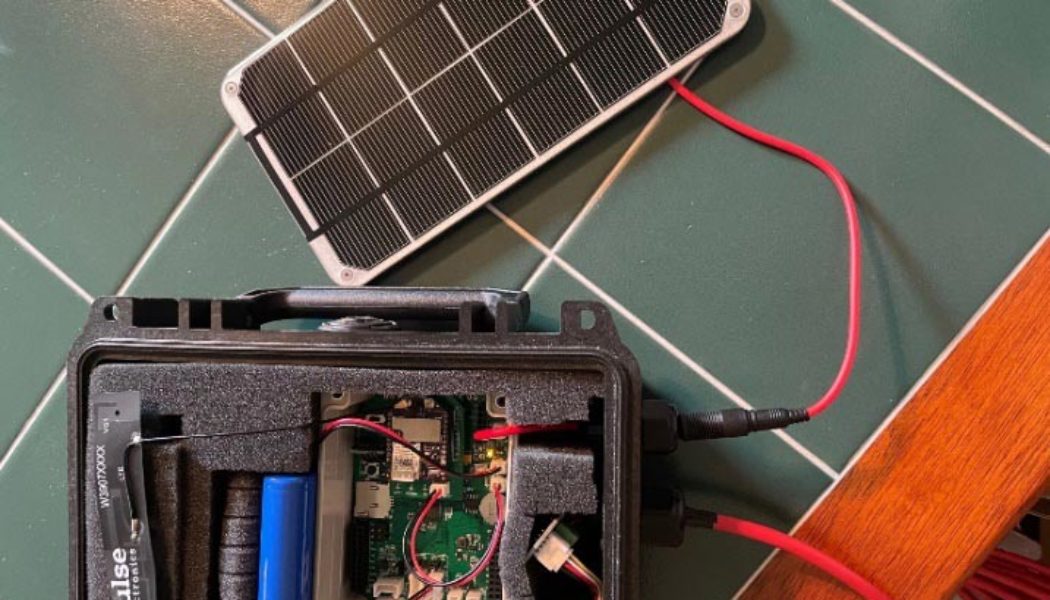

My Experience Building an EnviroDIY Monitoring Station
Computer program downloading and circuit board wiring were not my forte, so the first thing I did was enlist the help of the most tech-savvy people I know.

The Wide, Wide World of DIY (and DIT)
DIY is in many cases a misnomer; in reality, we Do-It-Together: bringing people together to develop and share environmental monitoring and measurement systems.
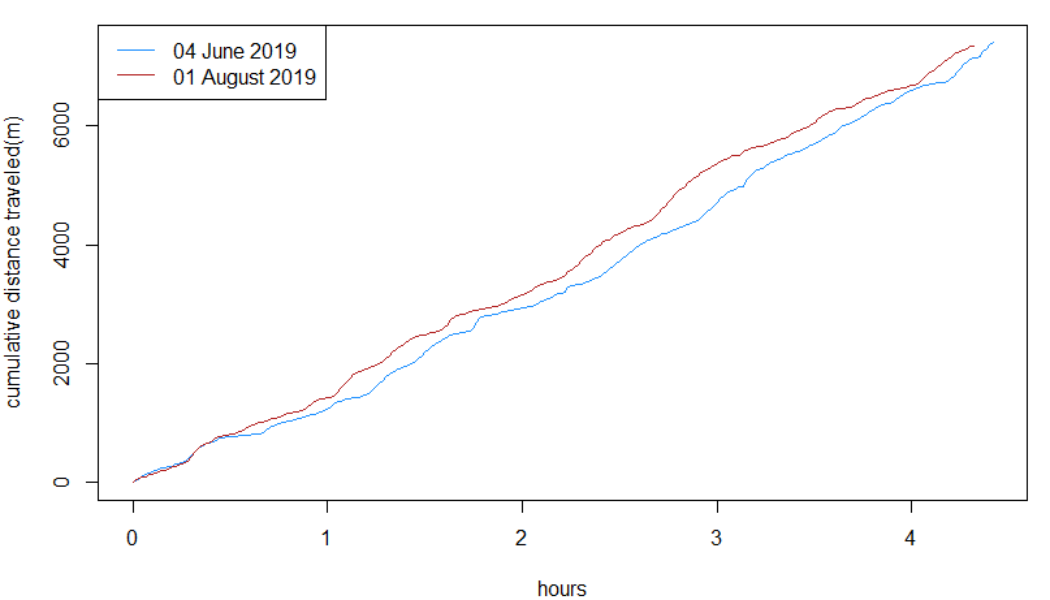

Tracking River Flow with GPS
Travel distance is critical for studying many aspects of river ecosystems, and sometimes it’s more accurate to measure, not just predict, how far river water travels over time.
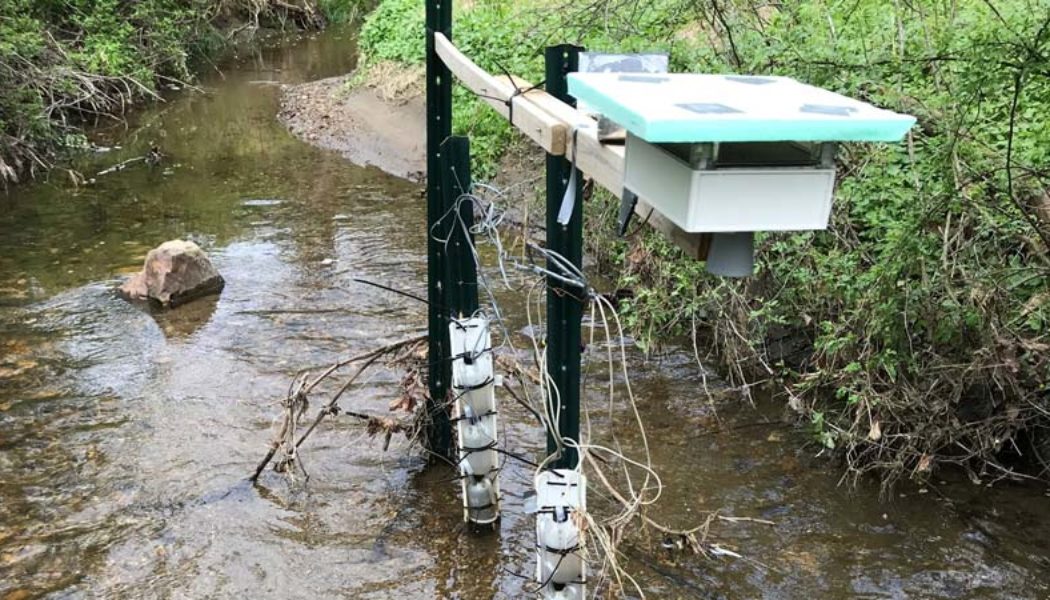

Evaluating Maxbotix Ultrasonic Sensors for Monitoring Stream Base Flow
We evaluated the positives and negatives of using Maxbotix MB7389 ultrasonic sensors for monitoring baseflow stream levels.
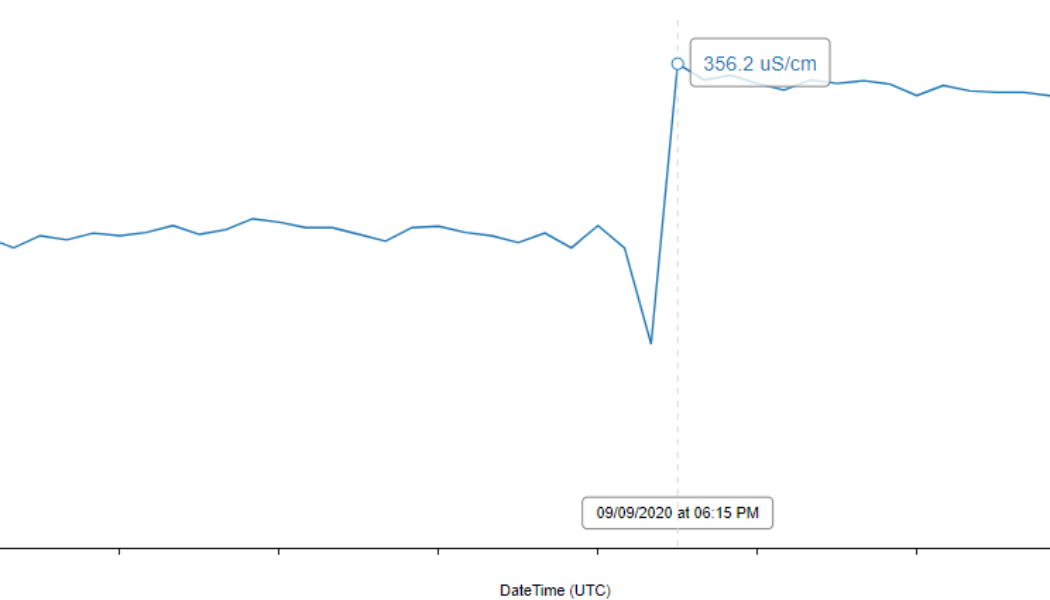

Increase Data Quality From Your Meter Hydros 21 CTD Sensor With These Tips
Regular cleaning of your EnviroDIY Monitoring Station sensors is the most important step in making sure you are collecting meaningful data.
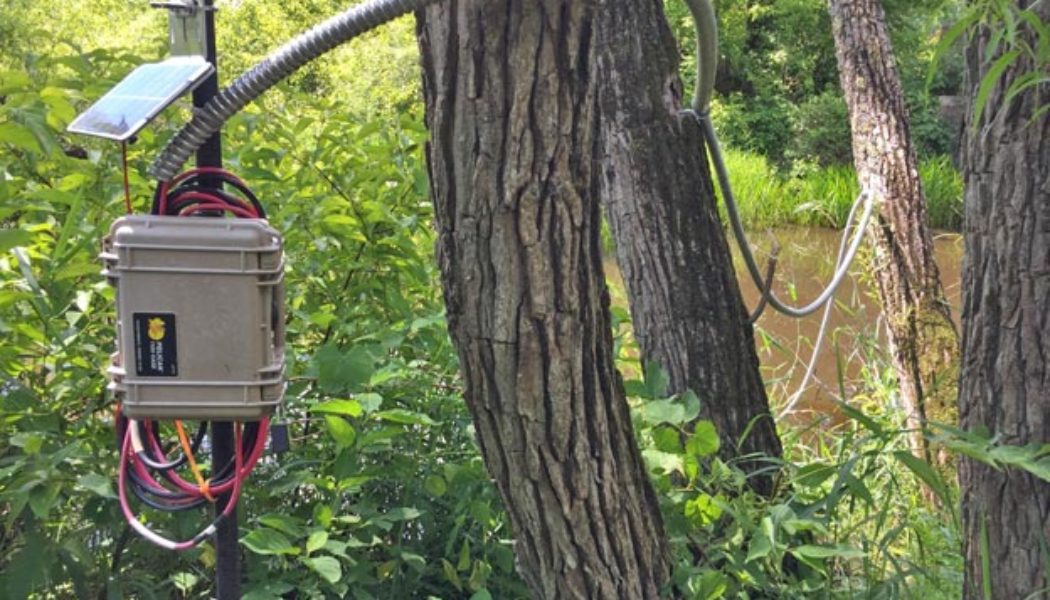

Protecting EnviroDIY Monitoring Stations From Beaver Damage
One area of vulnerability for EnviroDIY Monitoring Stations is rodent damage and in particular beavers. Beaver tend to bite anything that gets in their way while in the water and they have very sharp teeth!
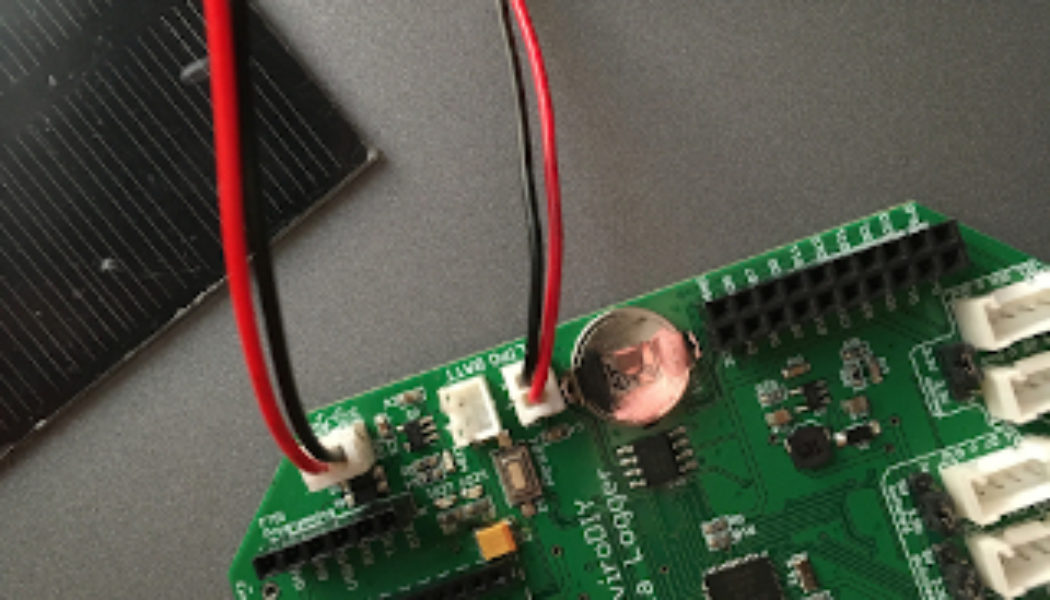

Building a Continuous Temperature Logger with the EnviroDIY Mayfly
This document outlines what you will need to build a Continuous Temperature Logger with the EnviroDIY Mayfly Data Logger. This is a great EnviroDIY starter project and utilizes the Mayfly Data Logger and a OneWire Temperature Sensor.

How-To Videos for River Monitoring
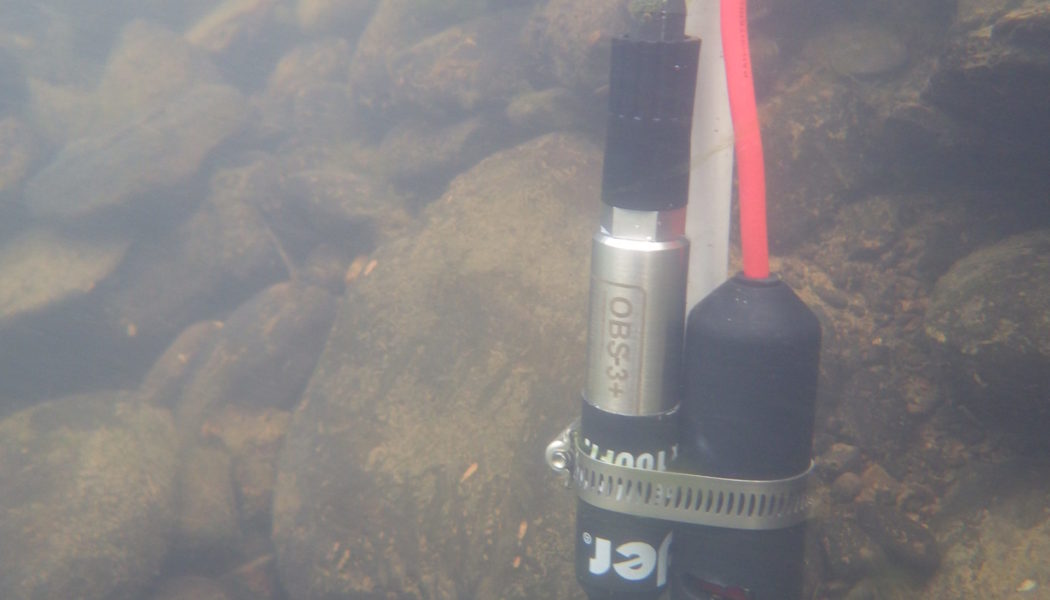
This collection of videos produced by the Stroud Center will help jump-start your water monitoring efforts.

Building a Low-Cost Electrical Conductivity Sensor Using the Mayfly Platform
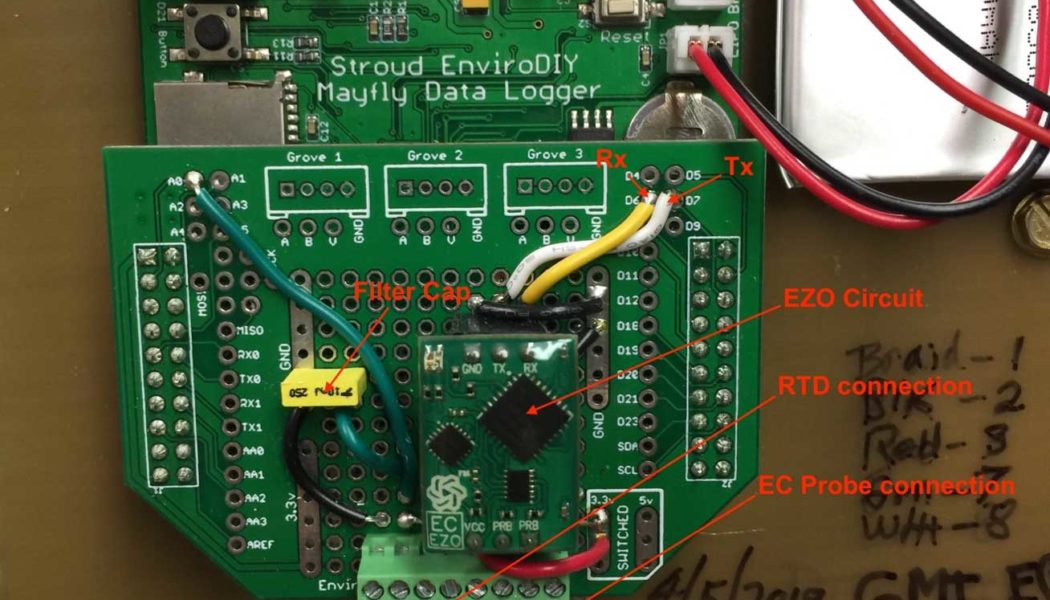
A low-cost electrical conductivity sensor using the Mayfly platform was developed in part to support efforts to study the effects of stormwater runoff into Great Marsh in Chester County, Pennsylvania.

New Tutorial: Learn EnviroDIY Programming
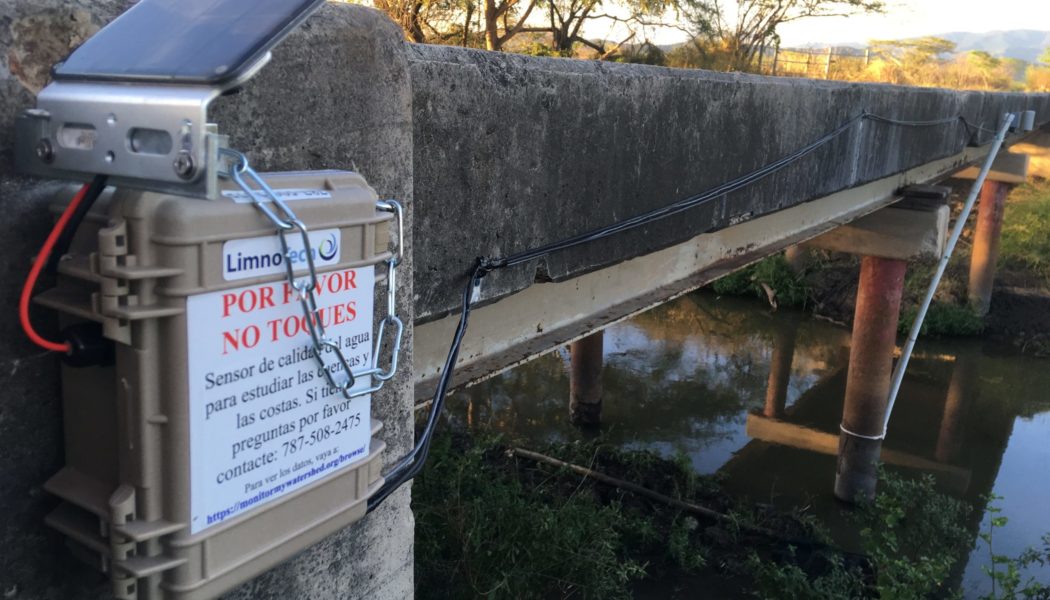
I’m a scientist with a limited amount of coding background and an even more limited understanding of electrical engineering, and EnviroDIY Modular Sensors on GitHub has made Arduino framework environmental monitoring possible for me. This blog post will point you to a tutorial that is intended to get end-users like me doing Arduino framework environmental monitoring like a pro. The Arduino Revolut...[Read More]

Accurate low stream depth measurements viewable on internet
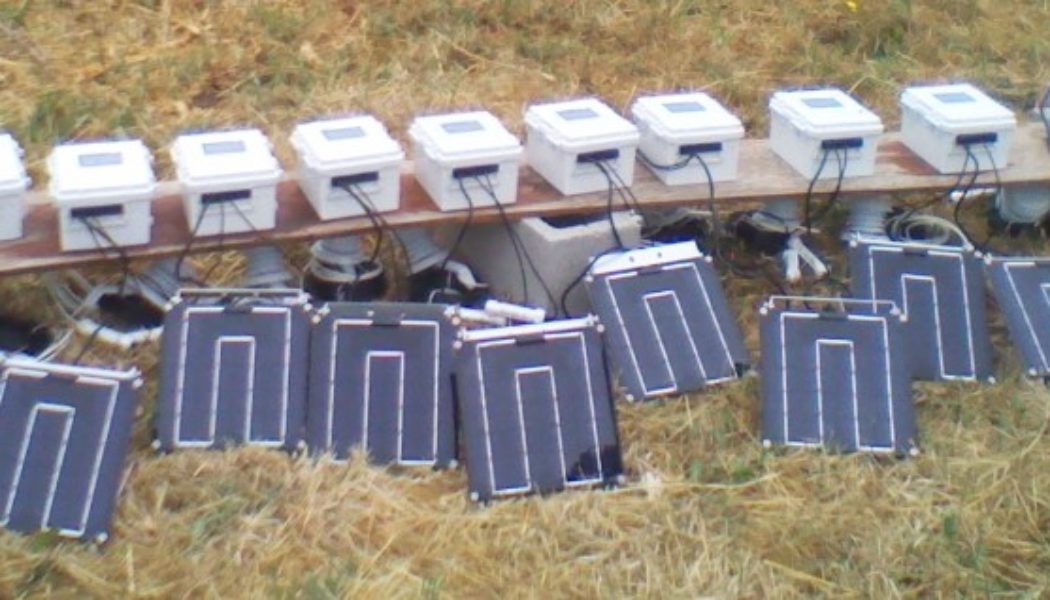
Working on a remote river monitoring project with partners Cemar.org and a local chapter of The Nature Conservancy.
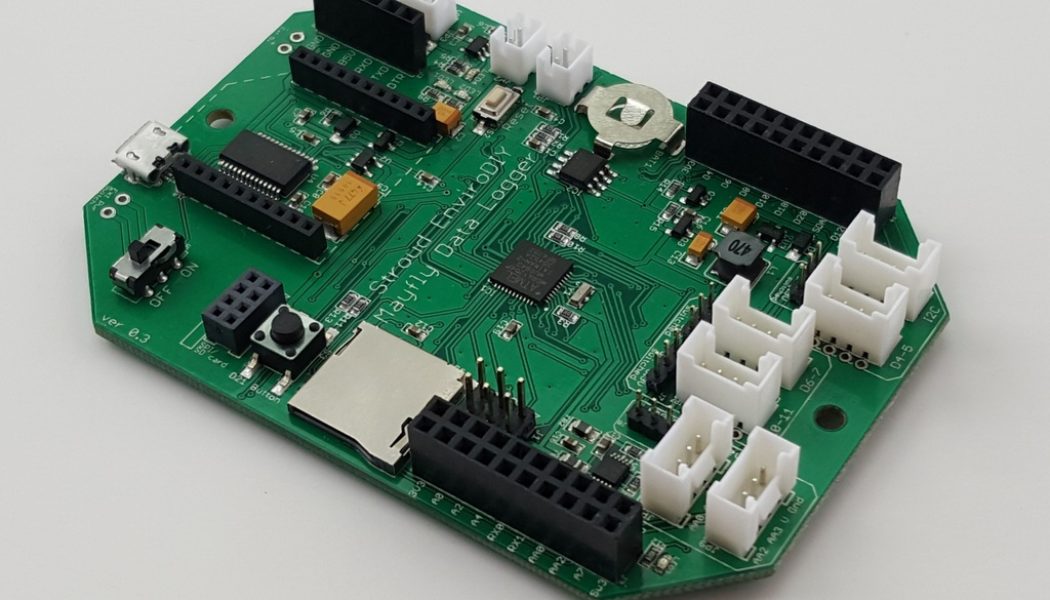

Mayfly version 0.3 bugs
A few weeks ago we found that some of the version 0.3 Mayfly boards were assembled by the manufacturer with an incorrect voltage regulator on the section of the board that generates the switched 5-volt boosted supply. This error does not affect any other functionality or features on the Mayfly. The only issue is that you will see 3.3 volts on the “Sw_5v” pin instead of 5 volts. We hav...[Read More]

Trigger Teledyne Isco Sampler by Campbell Logger
Hello! Anyone has experience with triggering a Teledyne Isco Water Sampler external by a Campbell Logger? It seems to be a small challenge and we are happy for any information!

What’s that sensor measuring?
Wow what a great place to share about sensors. My passion has been the interface between the real world and the digital domain. The world as we know it always has layers – so while we aim for a visualized story of some aspect of the real world – say temperature or stream depth– there are many aspects of collecting the data. Last year I bought a Honeywell Internet thermostat that allows me to see a...[Read More]


Contributing to EnviroDIY
You've registered as a member ... now what? There are many ways you can help build EnviroDIY. Make a blog post, ask or answer a question on the forum, comment on blog posts, even join an interest group.
DS3231 Real Time Clock (RTC) date conversion
Real Time Clock (RTC) modules like the DS3231 chip (found on the ChronoDot and Seeeduino Stalker v2.3) keep track of the date and time for a datalogger circuit. The module can output the number of seconds since January 1, 2000 as an integer, which can be very handy for recording a time stamp with your sensor data. However, 1/1/2000 is not a common starting point for most epoch calculations. The...[Read More]
What do we do with the data?
Introduction to world of data management Shannon Hicks, my coworker at the Stroud Water Research Center, has written several posts about the cool data loggers and sensor packages she has developed here. But, unfortunately, just designing a new instrument and deploying it in the watershed doesn’t answer questions about watershed science. To get the answers we’re looking for we need to b...[Read More]
- 1
- 2