
 Welcome to EnviroDIY, a community for do-it-yourself environmental science and monitoring. EnviroDIY is part of WikiWatershed, an initiative of Stroud Water Research Center designed to help people advance knowledge and stewardship of fresh water.
 New to EnviroDIY? Start here
Showcase
Highlighting projects we’re working on and gadgets we’ve built.
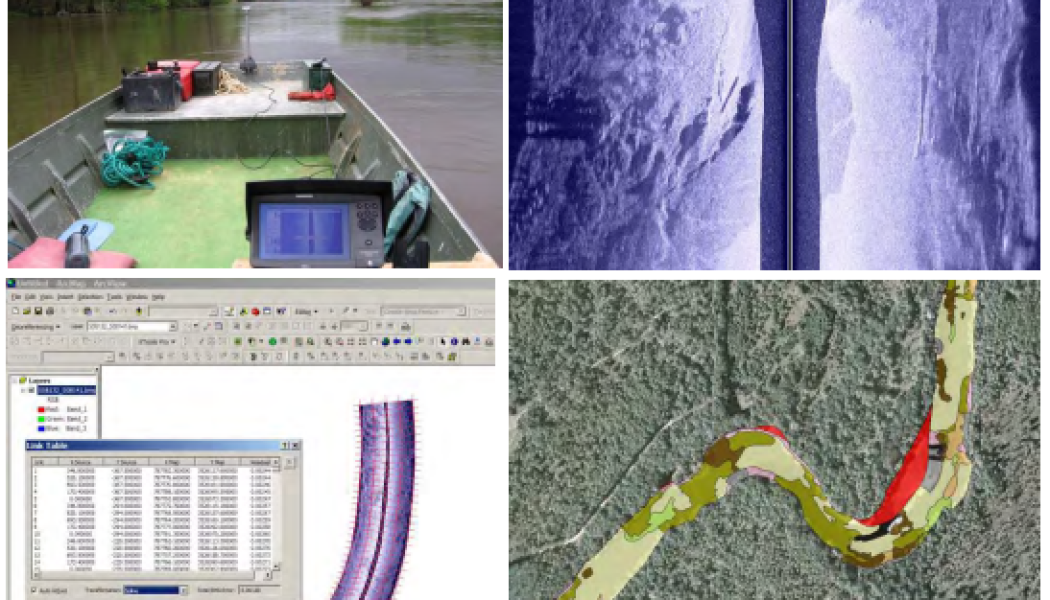

Side scan sonar: Towards a low cost benthic mapping tool
I originally learned of using side scan sonar/side imaging/fish sonar from a kayak fisherman tinkering around with a Side Scan Sonar/fish sonar device. I found more academic literature as I dived deeper: Assessment of Deadhead Logs and large Woody Debris using Side Scan Sonar and Field Surveys A Novel Approach to Surveying Sturgeon Using Side-Scan Sonar and Occupancy Modeling in Marine and Coastal...[Read More]
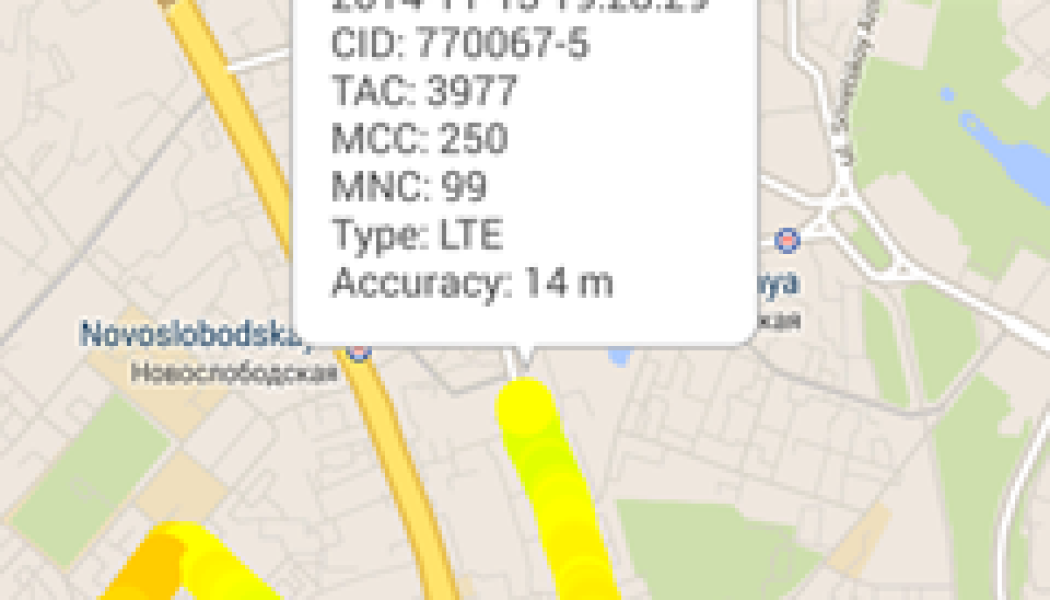

Wild wireless world ~ 2G or 3G
Wireless access comes in many forms – the cellular access is quite extraordinary in how useful it’s been – untethered access. There are hidden undercurrents for remote sensing M2M (machine-2-machine) – cellular technology shoals that can beach the unwary. I got beached – so I’m sharing it. Whether or not it’s on Sparkfun or publiclaboratories.org low cost cellular modems are being discussed and p...[Read More]
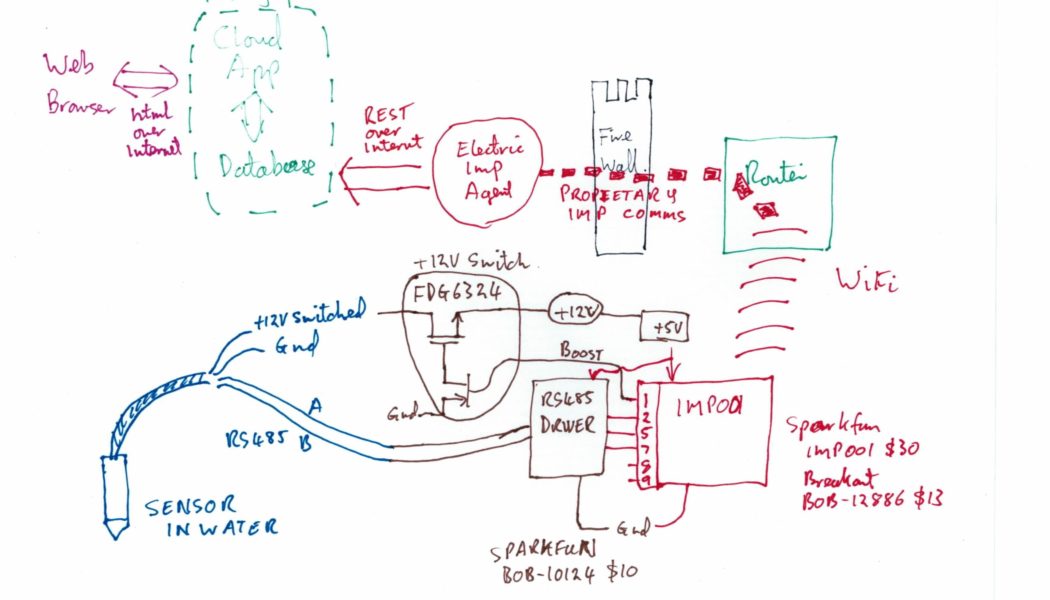

IMP calling sensor
A fun project was using the Electric IMP001 to communicate with an RS485 pressure transducer. The readings are delivered to the cloud and use the nice (and evolving) services of thingspeak.net. The starting point was to test the stability of an RS485 pressure sensor – and check out the then new IMP001 – two projects in one. Stability testing a pressure transducer is putting it into a bottle of wat...[Read More]
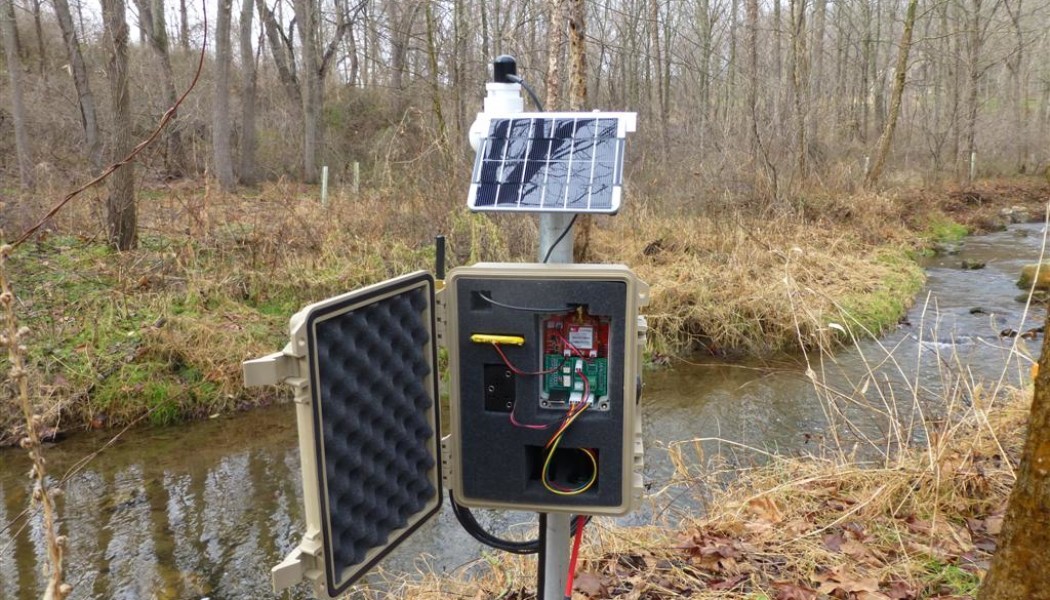

Next generation rugged datalogger
Our Arduino datalogger designs have gone through a few improvements since our original models four years ago. This past year we refined the design even more and have come up with our most rugged and reliable system yet. The datalogger is still based on the Seeeduino Stalker board, which has solar battery charging circuitry, memory card slot, real time clock, and a socket for an XBee radio or ce...[Read More]
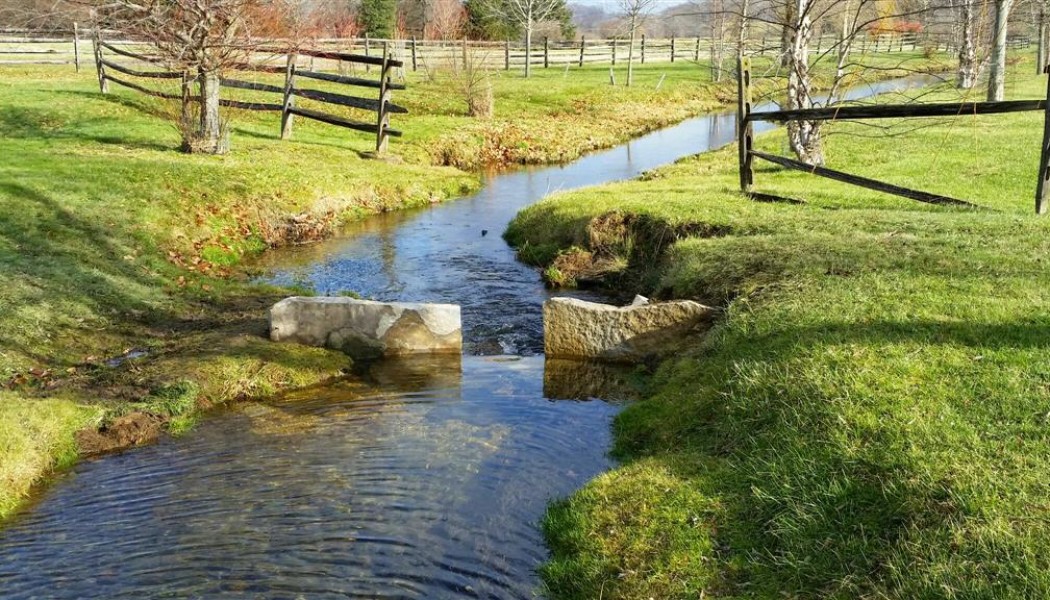

Stone Control Structure – Flume
What is a good way to gage a stream without using a weir or an engineered flume? How about this stone control structure / flume? Having a stable control is invaluable for developing a good stream flow rating curve. A rating curve relates the depth of the stream to the flow at a particular point. By a stable control I am referring to a cross-section of stream that will not change over time due ...[Read More]
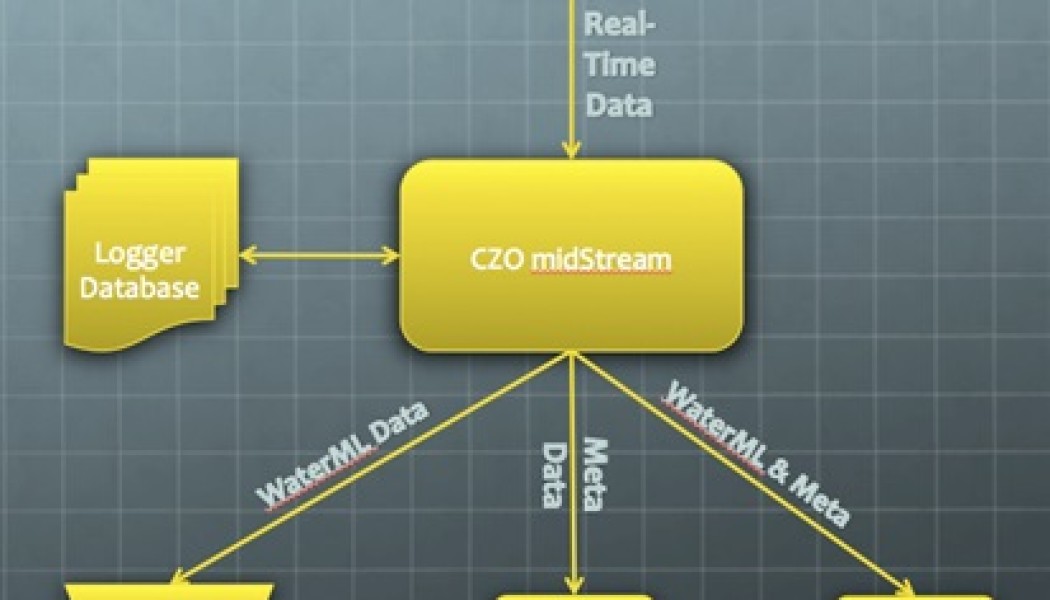

midStream – Making real time data publicly available
At the Stroud Water Research Center, one of our first priorities for the Arduino based sensors that Shannon Hicks has been developing has been to make the raw data publicly available online in a readily sharable format. For now, we’re formatting our data as WaterML 1.0 and sharing it as a WaterOneFlow webservice. WaterML and the webservice specifications were originally developed by the Co...[Read More]